What to Expect During the Lunar New Year in Vietnam (2025 Tet Guide)
Disclosure: This article contains affiliate links, meaning when you make a purchase, I earn a small commission. Affiliate links cost you nothing to use, and help keep my content free. It’s a win-win! For more information see the Disclosure Policy.
Picture this: it’s 4 a.m., the streets of Hanoi still veiled in a sleepy haze, but there I am, weaving my way through the buzz of the Quang Ba Flower Market. It’s the days leading up to Tet, Vietnam’s Lunar New Year, and the air is thick with anticipation. For six years, I’ve made Hanoi my home during this festive time of year, immersing in the highs and lows of the holiday.
In Vietnam, Tet isn’t just a holiday; it’s an important tradition and a vibrant display of cultural pride. Yet, traveling during the Lunar New Year in Vietnam can be a tricky decision you have to make.
In this post, I’ll share the insider’s guide to Tet in Vietnam. We’ll talk about what’s open and closed, tackle the nuances of transportation/activities/accommodation during this peak season, balance the pros and cons, and offer tips to make travel during the Lunar New Year in Vietnam successful.
Whether you’re a seasoned traveler or planning your first Vietnamese adventure, understanding Tet is crucial. It’s a time when the country thrives with cultural richness, yet navigating it can be challenging.
What is the Lunar New Year in Vietnam (Tet)?
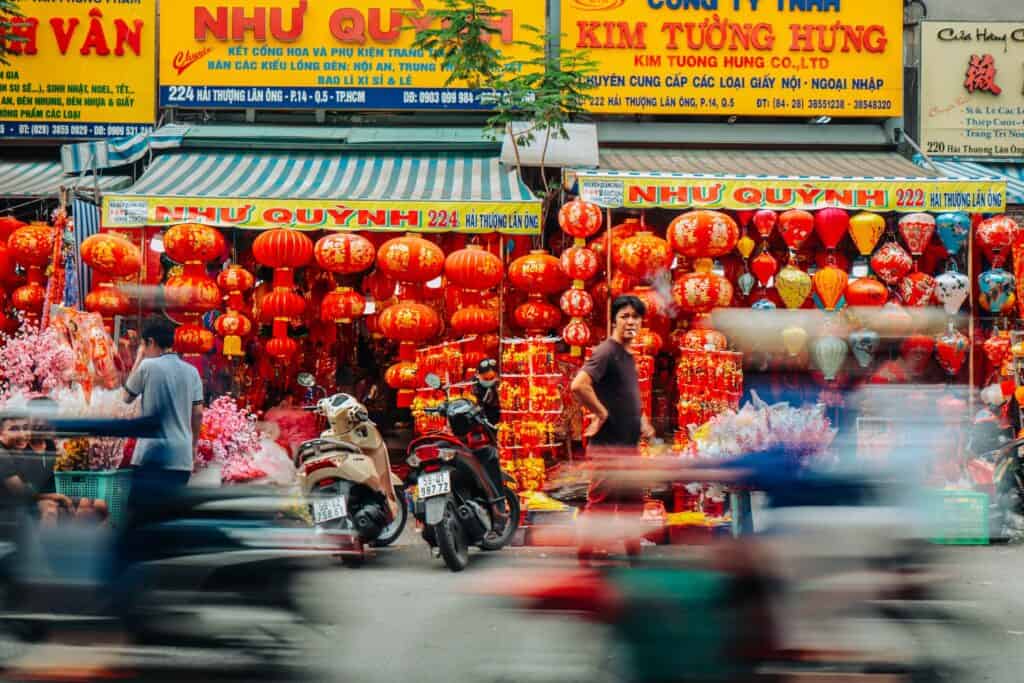
Tet, or Lunar New Year, in Vietnam isn’t just a festivity; it’s a deep-rooted cultural phenomenon that is part of the country’s soul. Think of it as the grand reset button of Vietnamese life – a blend of Thanksgiving, Christmas, and New Year’s, all rolled into one.
It’s a time when the past year’s worries are swept away, homes are decorated, and the future is welcomed with open arms.
At its core, Tet is about family and heritage. It’s when Vietnamese people, both near and far, journey back to their hometowns, reuniting under one roof. Streets once busy with scooters and vendors go quiet, as families gather.
Understanding Tet is understanding Vietnam itself. It’s a festival steeped in traditions, from the preparation of special holiday foods to honoring ancestors at home altars. Each ritual, each dish, each shared memory is a massive part of Vietnamese culture. So, when you travel Vietnam during Tet, you’re not just a spectator; you’re a witness to the country’s most important time of year.
When is the Lunar New Year in Vietnam?
Tet follows the lunar calendar, making its dates shift yearly. For your travel planner, here’s a heads-up: Tet falls on February 10 in 2024, January 29 in 2025 and February 17 in 2026. But Tet isn’t just a one-day affair. Officially, the holiday spans three days, but the festive mood kicks in a week before and lingers for about a week after.
Basically, Tet isn’t a sprint; it’s more of a marathon of celebrations. Government offices and many businesses shut down for the entire week, while some local shops might close their doors for even longer.
So, if you’re planning a trip around these dates, brace yourself for a different rhythm of life in Vietnam.
| Year | Official Date of Tet | Dates Holiday Observed | How Many Days? |
| 2024 | February 10 | February 8-14 | 7 |
| 2025 | January 29 | January 27- February 2 | 6 |
| 2026 | February 17 | February 15-21 | 7 |
Should You Travel to Vietnam During Tet?
Traveling to Vietnam during Tet offers a unique cultural experience, with celebrations, decorations, and a festive atmosphere, alongside quieter, less polluted cities. However, it’s also a time of business closures, increased prices, heightened police presence, and more traffic and crowds, especially before the holiday. Weighing these pros and cons is crucial for a well-planned and enjoyable visit during Vietnam’s most significant festival.
Reasons You Should Travel to Vietnam During Tet (Pros)
Cultural Celebrations
Tet is when you will get to experience many of Vietnam’s rich traditions – from dragon dances in the street to traditional music performances to sharing of traditional foods. It’s a rare chance to see customs passed down through generations, alive and in full color. My favorite thing about Lunar New Year in Vietnam is seeing the many dragon dances. My school always has one, but also almost every night in the week building up to Tet, you can find some sort of dance or performance anywhere across the cities.
Festive Atmosphere
Tet brings a festive air that’s palpable. Red and gold decorations, the buzz of preparation, and the general air of excitement combine to create an atmosphere that’s electric, unique, and totally Vietnamese.
From the celebrations in the street, to Vietnamese people trying to buy and sell what they can before the holidays, to enjoying traditional food – it is a busy and interesting time of year to visit.
Decorations & Flowers

As Tet approaches the streets, houses, and shops are decorated. An important part of the holiday is decorating with flowers. Bright yellow Hoa Mai flowers (in the south), pink peach blossoms, and kumquat trees (in the north) all symbolize prosperity and renewal.
In the days leading up to Tet you will see pop up flower markets, trees for sale on major highways, and motorbikes stacked with kumquat trees and flowers.
If you are in Hanoi, this is a great time to check out the Quang Ba Flower Market – the largest flower market in Vietnam. To say it is crowded is an understatement. Vendors spill out of the market and line Au Co Street (the street the flower market is on). Usually the flower market is wrapped up by the time I go to work in the mornings, but during the days leading up to Tet, the vendors are out well into the morning commute time. It’s a fun part of the holiday to experience!
Quiet Cities (During the Observed Days)
Once Tet officially begins, the usual hustle of cities like Hanoi and Ho Chi Minh City gives way to a peaceful calm. It’s a rare sight – these normally busy cities taking a slow, deep breath.
This quieter side of Vietnam offers a unique urban experience. It would be extra cool if you could experience both sides of the holiday – from the busyness to the calm.
Busy Markets (Days Before Tet)

The markets before Tet are a frenzy of activity. They’re not just markets; they’re hubs of commerce and social interaction. Navigating these busy spaces will give you a glimpse into Vietnamese life at its most energetic.
Just like the Quang Ba Flower Market, visiting a market in the days leading up to Tet will be busy and chaotic, but also a super cool thing to experience!
Less Noise Pollution (During the Observed Days)
With the quieting of cities comes a welcome reduction in noise pollution. The usual cacophony of motorbikes and city chatter subsides, allowing for a more serene exploration of Vietnam’s cities.
If you are someone that lives in a busy city and are looking for an unusual calm – this could be a good time for you to check it out!
Reasons You Should NOT Travel to Vietnam During Tet (Cons)
Business Closures
During Tet, Vietnam hits the pause button. Many businesses, from local eateries to shops, close their doors. This can be a hurdle if you’re relying on these for daily needs or travel essentials.
It is guaranteed that on the actual day of Tet (February 10 for 2024) almost everything will be closed – absolutely all tourist attractions and museums. Many will reopen the day after the official day, but other small businesses will likely be closed for most of the observed days.
I own a business in Hanoi (CrossFit Tay Ho) and we are closed for 4 full days. The reasons businesses close for so long is to respect the traditions of Vietnam, and let employees travel home to be with their families.
It is worth checking Instagram or Facebook for the restaurants/activities you want to do during the Lunar New Year in Vietnam as they will likely post their hours.
Here are some updated options on what to do during the holidays in the two major cities – Hanoi and Ho Chi Minh.
Increased Prices
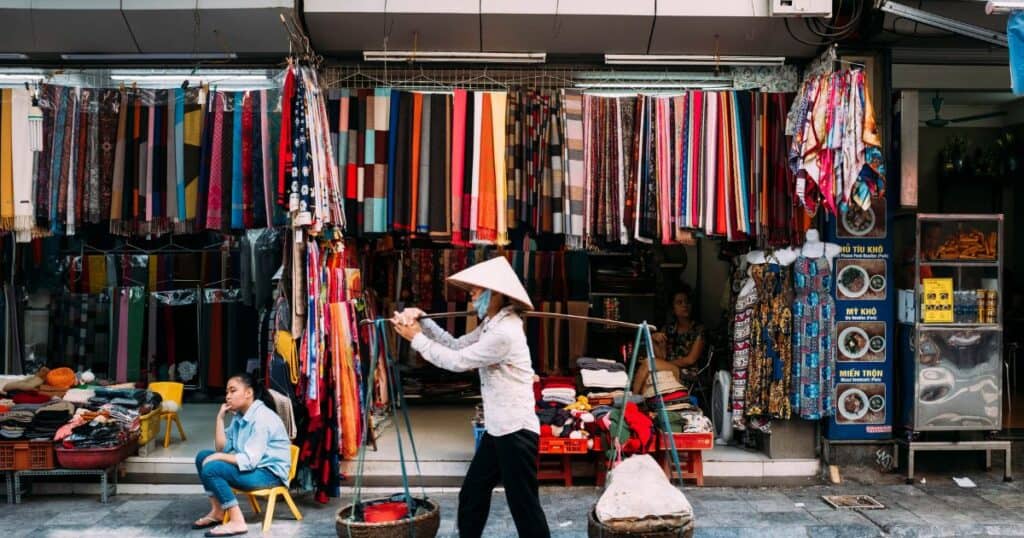
It’s a simple equation: high demand + holiday season = increased prices. Accommodations, flights, and even local goods often see a price hike during Tet, making it a pricier time to explore Vietnam.
In the days before Tet, it will be harder to haggle with vendors and in markets, as they really want to make sure they are bringing in enough money before the holiday. If a shop is open during the observed days of Tet, the prices will absolutely be increased. If a Vietnamese employee is working during the public holiday, business owners are required to pay them 100% of their hourly wage.
Prices on flights during this time increase massively, and not just domestic flights in Vietnam. If you’re leaving the country or moving on to another destination, book your flights well in advance!
Increased Petty Crime
With the crowds and festivities, there’s a slight uptick in petty crimes like pickpocketing. It’s a time to be extra vigilant with your belongings, especially in crowded areas.
One of the important parts of Tet is to clear all of your debts, and enter the new year with a clean slate. Sometimes, sadly, this means stealing in order to get done what needs to get done.
The weeks building up to Tet are the only times I am quite vigilant about locking things.
Police Presence and Fines
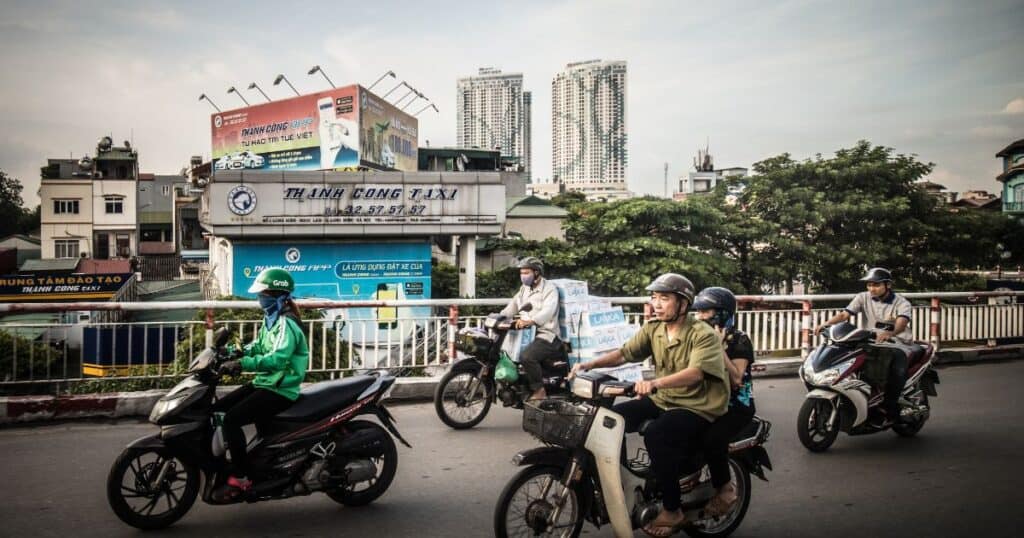
Tet sees a heightened police presence, particularly on the roads. This can mean more checkpoints and an increased risk of fines, especially if you’re navigating the traffic laws on a rental scooter. They are doing this to get money before the holiday.
If you aren’t driving a motorbike, this likely won’t apply to you, but if you are renting a motorbike, take note! Police will pull you over for no reason and make something up. They will then threaten to take your motorbike unless you pay. This is a bribe that goes directly to the police officer that pulls you over.
Tips for if you get pulled over on a motorbike in Vietnam:
I have lived in Hanoi for 6+ years and have evaded many a police pull over. In the times I have been pulled over, I have only had to pay one time.
- Immediately take the key out of your ignition and put it in your pocket
- Police will sometimes take the key out and getting it back can be tricky
- Don’t carry big bills that are visible in your wallet
- Make sure you have small bills. Often a 100,000 bill will satisfy the bribe, but if they see you have a 500,000 they will say, “oh that is the fee!”
- I know people that carry fake wallets for driving with only small bills
- Speak another language
- Typically police don’t like pulling over foreigners if they can help it. Navigating speaking English is tricky and if the officer is not fluent, it is more of a headache for them.
- Option 1: pretend that you don’t speak English and talk in another language. The chances of Vietnamese police officer speaking anything other than English are slim!
- Option 2: Talk in English a lot and speak fast. Keep saying you don’t understand, eventually they might just let you go. The more of their time you take up, the less people they will get to stop, so if you keep yammering on, they are losing opportunities for money!
- Typically police don’t like pulling over foreigners if they can help it. Navigating speaking English is tricky and if the officer is not fluent, it is more of a headache for them.
- Cry or say something is really urgent
- If you are extra emotional or say you have to be somewhere, sometimes they will just let you go. One time I started crying and said I had to go pick up my kids (I don’t have kids). Another time a friend of mine just pointed to her watch and kept saying “work! Work!” really urgently.
Crowds (Before the observed days)
Pre-Tet, markets and shopping areas are swamped with people. While this buzz is part of the charm, it can be overwhelming, particularly in popular spots.
Trash (during and after the observed days)
Post-celebration, the aftermath is not always pretty. The streets can be littered with remnants of fireworks and party debris. None of the trash collectors work during the observed days, so trash piles start to build up!
Traffic (before and after the holiday)

The days leading up to and following Tet witness some serious traffic jams. Roads clog up as locals rush to prepare for the holiday or return home, testing your patience and travel plans.
During the days leading up to the holiday I give myself an extra 15-20 minutes to get to work. Sometimes school even lets us leave a bit early so we won’t sit in such massive traffic jams.
Just be prepared for extra traffic!
Tips for Traveling During the Lunar New Year in Vietnam
When traveling in Vietnam during Tet, a little planning goes a long way. From securing your stay to respecting local customs, these tips ensure a smoother and more culturally respectful journey. This website called Vietnam Insider is a new website that regularly posts updates about the country. When you search ‘Tet’ in the search bar, you will see tons of articles on the cost of flights and trains during Tet, as well as where the most Vietnamese will likely be traveling.
Plan and Book Early
Tet isn’t a time to wing it. This is the busiest time for Vietnamese to travel. Flights and hotels fill up fast, so book your travel and accommodations well in advance to avoid the last-minute rush and inflated prices.
Most Vietnamese will leave the major cities to go back to their hometowns at the beginning of the holiday, and return back to the cities at the end. Use this to your advantage – if you can manage to travel in the quiet in between, you will have a more peaceful journey!
Navigating Travel (Planes, Trains and Automobiles)
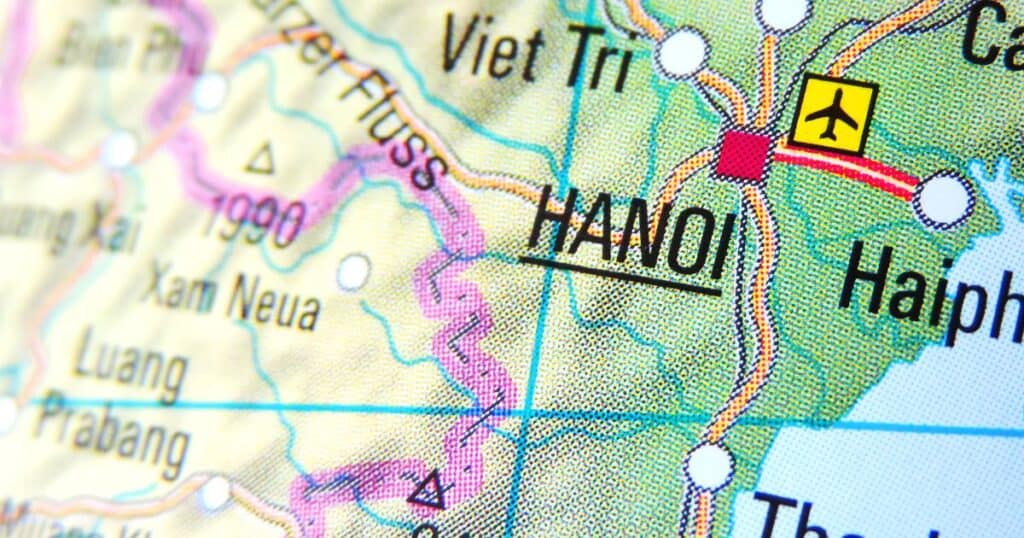
Flights: Book Early or Pay the Price
When it comes to flights during Tet, the early bird doesn’t just get the worm, they avoid a hefty price tag. Snag those tickets ASAP, especially for hot routes like Ho Chi Minh to Hanoi or Da Nang. Wait too long, and you might find yourself paying up to five times the usual fare.
Flying out of Tan Son Nhat Airport in Ho Chi Minh City or Noi Bai in Hanoi? Brace yourself for a traffic marathon. Leave many more hours early than you would normally – you WILL hit traffic and you WILL wait in extra long lines. And remember, delays are more common than not, especially with budget airlines like Vietjet and Jetstar. Pack a book or a good playlist to keep you company.
A little tip: Flights from north to south are generally less crowded before Tet, and the opposite is true after the holiday.
Trains: The Early Booking Wins
Train tickets during Tet? It’s like a game of musical chairs, but with more stress. Booking early is your only real strategy. Don’t even think about winging it at the station. If you’re playing the north-to-south route (or vice versa), remember the crowd trends flip pre and post-Tet.
Got a long train journey? Break it into shorter legs. Sometimes you can snag seats on less popular stretches, like Saigon to Phan Thiet, then hop to your final destination from there.
Buses: Plan Ahead and Stay Safe
Buses during Tet fill up. Book ahead to secure your spot. And a word to the wise: skip the night buses. More buses on the road mean more chances for mishaps.
Bus travel peaks at the start and end of Tet as everyone’s rushing to or from their hometowns. In between, buses run less frequently, so plan accordingly.
Taxis: Available but Costly
Yes, taxis and Grab still run during Tet, but their meters run faster too. Expect higher fares during this time, as well as longer waits for rides to pick up.
Navigating travel during Tet in Vietnam is a test of planning and patience. But it is possible!
Hotels

Most hotels will stay open during the Lunar New Year in Vietnam. But the bigger, more well known hotels are not only more reliable but can also offer helpful services like currency exchange and travel advice during the holiday period.
Hotels in Hanoi/Ho Chi Minh might offer special deals for the new year as they aren’t busy. But hotels in popular destinations for Vietnamese, like Da Lat, it might be tricky finding something.
One year, I spent part of Tet in Da Lat and the only available hotel was 25 minutes outside of the city! Granted, I booked this at the last minute, so I paid the price!
Itinerary
Craft your itinerary with Tet in mind. Many tourist attractions may be closed, so focus on enjoying the local celebrations and open natural sites. Some of the more popular tourist destinations, like the Cu Chi Tunnels near HCMC or the Temple of Literature in Hanoi will likely only be closed for the main holiday day.
Packages
Consider travel packages designed for Tet. These can streamline your experience, offering a blend of cultural immersion and convenience during the festive season.
Have Enough Cash
ATMs can run dry, and many places don’t accept cards during Tet. Carry enough cash, or be prepared to use your hotel’s exchange service, even if the rates are a bit higher. Banks will also be closed during this time.
Forgo Bargaining
Bargaining is a no-go during Tet. It’s considered bad luck to haggle over prices, so respect this tradition and embrace the spirit of the season.
Best Places to Celebrate Vietnamese Tet New Year
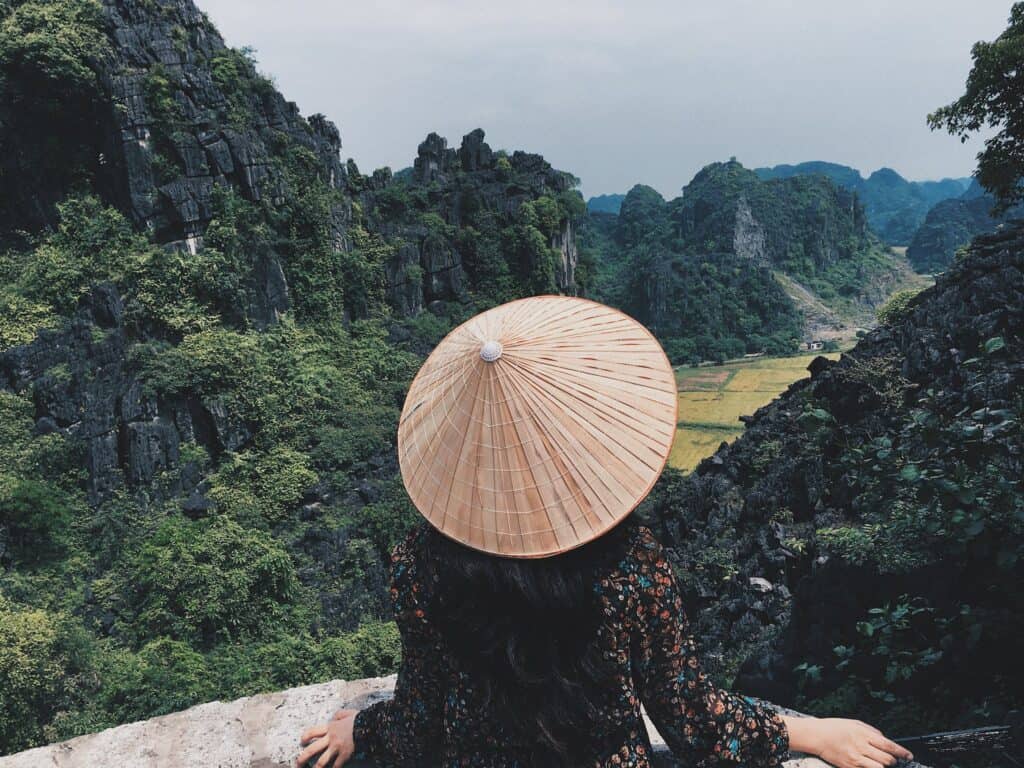
Each of these destinations offers a distinct flavor of Tet in Vietnam, from the markets of Hanoi to the festive streets of Hoi An. No matter where you choose to go, you’re in for a memorable Lunar New Year experience.
1. Hanoi
In Hanoi, Tet transforms the city into a quieter, more introspective place, as many residents head to their hometowns. Museums and monuments might be off-limits, but the markets are filled with flowers, foods, and gifts in the days before the holiday.
2. Ho Chi Minh City
Ho Chi Minh City, or Saigon, takes on a different vibe during Tet. The streets may be emptier, but the city’s nightlife is still happening. On New Year’s Eve, bars will be full and fireworks will light up the sky.
3. Hoi An
Hoi An maintains its vibrant character even during the festival. The Old Town, lit by lanterns is where the action is. As night falls, the area near the lake becomes the center of festivities, with locals in traditional attire adding to the celebratory mood.
4. Dalat
Dalat, a hit with locals from Ho Chi Minh City, is a cozy spot to soak in Tet’s spirit. It’s busy! Making an early booking is essential. As I said above, in 2021 I spent part of Tet in DaLat and last minute booked a hotel – the closest one I could get was 25 minutes outside of the city. While special activities might be sparse, the city’s lively atmosphere more than makes up for it.
5. Ha Giang
For a different Tet experience, head to Ha Giang. This remote province may not be the first choice for many, but its valleys of blooming flowers offer a stunning backdrop. Witnessing the ethnic minorities preparing and celebrating Tet adds a unique cultural layer to the festivities.
6. Nha Trang
This beach town keeps its laid back vibes during the Tet holiday. If you’re after some chill time on the beach, this southern city is a good option. Most restaurants stay open, and there are fun new years celebrations at the beach bars.
Vietnamese New Year Traditions

Vietnamese New Year traditions paint an important picture of a culture that celebrates its past while preparing for the future. From the thorough preparations to the celebrations, Tet is a reflection of Vietnam’s heart and soul.
Preparations for Tet
As Tet approaches, Vietnam buzzes with preparations. Homes are scrubbed clean in a symbolic sweeping away of the old year’s misfortunes. Families wear new clothes, signifying a fresh start. Kitchens come alive with the cooking of traditional Tet dishes, while decorations and flowers like peach blossoms in the north and apricot blossoms in the south fill homes.
Tet Eve and the First Days of the New Year
Tet Eve is just like the eve of any holiday – lots of excitement! Vietnamese families gather sharing stories, food, and laughter. The first days of the New Year are reserved for family. It’s a time to pay respect to elders and ancestors, reflecting on roots and traditions.
Celebratory Practices
One of the most important Tet customs is giving lucky money. Red envelopes filled with cash are handed to children and the elderly as a gesture of good fortune and health. Visiting family and friends is also a key part of Tet, reinforcing bonds and communal ties.
Getting a Tet Bonus is a common practice if you live and work in Vietnam. Giving Vietnamese people that work for you, or perform regular services, a bonus is expected. During this time I give lucky money to my cook, my cleaners, my nail ladies, my massage people, etc. Basically, if I see them 2+ times a month, I give them a gift!
Traditional Tet Foods
Bánh chưng (square sticky rice cake) is the most popular Tet food, symbolizing the Earth, while various pickled vegetables, dried fruits, and pork dishes fill the tables. Each food means something, representing wishes for prosperity, health, and abundance in the coming year.
Happy to Say Happy Lunar New Year in Vietnamese
Wondering how to say Happy New Year in Vietnamese?
Chúc mừng năm mới!
It literally translates as “Wish happy year new!”
- Wish – Chúc, like chook? with an up-tone.
- Happy – mừng, like moong with a down-tone.
- Year – năm.
- New – mới, like moi? with an up-tone.
FAQs for Lunar New Year in Vietnam
What is Tet and why is it so important in Vietnam?
Tet, or Vietnamese Lunar New Year, is the most significant festival in Vietnam, marking the beginning of a new year based on the lunar calendar. It’s a time for family reunions, honoring ancestors, and welcoming a new year with hope and celebration.
When does Tet take place and how long does it last?
Tet dates vary each year, typically falling in late January or early February. The official holiday lasts for three days, but celebrations and preparations often extend over a week.
What should I expect in terms of business closures during Tet?
Many businesses, including shops and restaurants, close during Tet, especially on the main holiday days. It’s wise to plan accordingly for dining and shopping needs.
Are there any special foods I should try during Tet?
Yes! Tet is known for special dishes like Banh Chung (sticky rice cake), various pickled vegetables, and an array of sweets and dried fruits. These dishes are not only delicious but also carry cultural significance.
Can I participate in Tet celebrations as a tourist?
Absolutely! While some family-oriented aspects of Tet might be private, tourists can enjoy public celebrations, flower markets, fireworks, and street festivities.
How should I dress for Tet celebrations?
Dressing modestly and neatly is recommended. Wearing new clothes is a Tet tradition, symbolizing a fresh start for the new year. It is also a fun time to wear the traditional Vietnamese clothing – ao dai.
Is it easy to travel within Vietnam during Tet?
Travel can be challenging during Tet due to high demand for transportation and increased prices. It’s best to book travel arrangements well in advance.
What is the custom of giving lucky money?
Lucky money, or ‘li xi’, is a Tet tradition where money is given in red envelopes for good luck and prosperity. It’s usually given to children and the elderly. As a tourist, you are not expected to give lucky money to anyone, except maybe an extra tip to hotel or restaurant staff.
Are there any specific cultural etiquettes I should be aware of during Tet?
Avoiding negative or taboo subjects, not sweeping the house on the first day of Tet (to not sweep away good luck), and being respectful during temple visits are important cultural etiquettes. As a tourist, just be respectful!
What makes Tet a unique time to visit Vietnam?
Tet offers a unique opportunity to experience Vietnam’s rich culture, traditions, and festive atmosphere at its peak, providing insights into the family values and customs that shape Vietnamese society.
Is Tet a good time to visit Vietnam?
Yes and no. Tet offers a unique cultural experience with vibrant celebrations and traditions. However, it’s also a time when many businesses close, travel can be challenging, and prices may be higher. If you’re interested in experiencing Vietnamese culture at its richest, Tet is a great time to visit, but be prepared for some practical challenges.
What was the Tet Offensive?
The Tet Offensive was a major military campaign during the Vietnam War. Launched on January 30, 1968, by forces of the Viet Cong and North Vietnamese People’s Army against forces of the South Vietnamese Army, the United States, and their allies, it was a surprise attack that coincided with Tet. Though militarily unsuccessful for the North, the offensive had significant impacts, including swaying public opinion in the United States.
Is Tet only in Vietnam?
No, Tet is specifically the Vietnamese celebration of the Lunar New Year, but similar celebrations occur in other Asian countries, such as Chinese New Year in China and Seollal in Korea. Each country has its unique traditions and customs for celebrating the Lunar New Year.
Why is it called Tet in Vietnam?
“Tet” is short for “Tết Nguyên Dán,” which means “Feast of the First Morning of the First Day” in Vietnamese. This name reflects the importance of the start of the lunar new year in Vietnamese culture.
What animal is the Tet in 2024?
The Tet in 2024 will be the Year of the Dragon according to the Vietnamese zodiac, which follows a 12-year cycle, each year associated with a specific animal. The Dragon is a symbol of power, nobility, and luck in Vietnamese culture.
Final Thoughts: Lunar New Year in Vietnam
Exploring Lunar New Year in Vietnam will give you a look into the nation’s culture, marked by traditional celebrations, family gatherings, and significant foods, and recognizing Tet’s shifting dates is essential, typically occurring from late January to early February.
The experience brings its unique advantages, like quieter city streets and a chance to witness Vietnam’s traditional side, but also challenges such as increased expenses and crowded travel conditions. Practical tips, like planning your trip well in advance and ensuring you have enough cash, can help navigate these hurdles.
Whether you’re experiencing the New Year festivities in Hanoi, Ho Chi Minh City or a smaller town, participating in Tet allows you to connect deeply with Vietnam’s cultural identity, offering insights into the country and its people.