Don’t Freak Out While Crossing the Street! (12 Tips on What NOT to Do in Vietnam)
Disclosure: This article contains affiliate links, meaning when you make a purchase, I earn a small commission. Affiliate links cost you nothing to use, and help keep my content free. It’s a win-win! For more information see the Disclosure Policy.
Heading to Vietnam? Brilliant choice.
But as you pack your bags and prep for this adventure, there’s a bit more to consider than just your itinerary.
Vietnam is a different ball game compared to what you might be used to back home, and I’m not just talking about the traffic. The culture, the expectations, and the way of life here are unique, and that’s exactly what makes it such a fascinating place to explore.
However, navigating those differences without stepping on toes or ending up feeling out of place can be a bit of a challenge.
I’ve been living in Vietnam for almost seven years now, and I’ve had my fair share of “oops” moments. From misunderstanding local customs to underestimating the strength of the sun. I’ve learned a lot—sometimes the hard way.
If you’re looking to dive into Vietnam without making yourself or the locals cringe, you’re in the right place. In this article we’ll talk about the common mistakes travelers make, how to avoid them, and how to show respect and appreciation for the local culture and norms.
Ready to learn what NOT to do in Vietnam? Here we go!
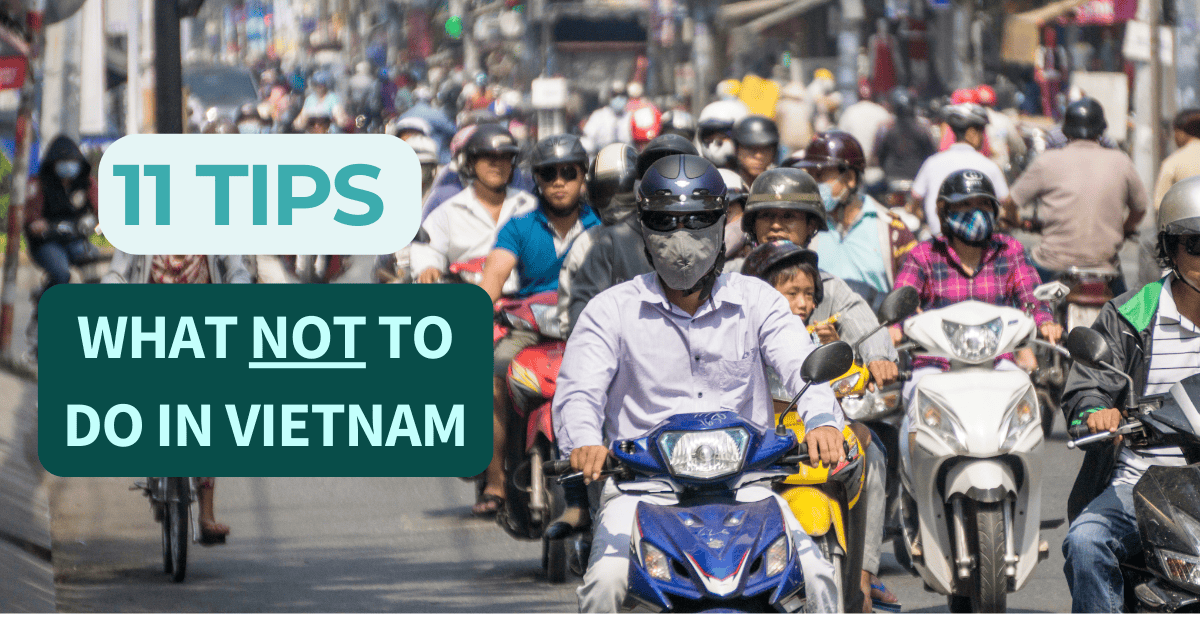
1. Do Not Freak Out While Crossing the Street

Navigating the streets of Vietnam can feel like you’ve stepped into a live-action game of Frogger. There are scooters, cars, and bikes coming from every direction. At first glance, it looks wild!
But don’t let it get to you: panicking is your worst enemy.
The trick is to keep your cool and walk steadily. Stay calm, assertive, and consistent in your pace.
Believe it or not, local people and most drivers are pretty good at spotting and steering around pedestrians…as long as they can guess where you’re heading. So, avoid any sudden stops or sprints.
Just take a deep breath, find your opening, and go for it.
After seven years of driving a motorbike in Vietnam, ebbing and flowing with the traffic is second nature. I can spot pedestrians from a good distance away and start planning my route around them. The traffic rules might not make sense to you, but they do work!
Katie Tip → Wave Your hand in front of you when you are crossing the road. This is the Vietnamese signal for “Hey! I’m walking here!”.
2. Don’t Drink the Tap Water (Brushing Your Teeth is Okay, Though!)
Avoid drinking the tap water directly. In Vietnam, and most of Southeast Asia, the tap water isn’t typically treated to the same standards as you might find in Western countries. This means it can contain bacteria, heavy metals, and chemical residues that are unfamiliar to your system.
Drinking untreated tap water in Vietnam might not necessarily lead to severe illness, but it can cause minor health issues such as stomach upsets or traveler’s diarrhea (which can certainly put a damper on your travel plans).
The local population may have built up a tolerance to the impurities commonly found in their water, but as a visitor, you are more likely to be sensitive to these contaminants.
I have lived in Vietnam for 7 years and still don’t drink tap water. I will occasionally sip it if I have run out of bottled water, but that is very rare!
To ensure you stay hydrated and healthy, it’s best to stick to bottled water. This is a safe and inexpensive option available almost everywhere across the country. Every hotel should have refillable water jugs available.
It’s a good idea to bring a reusable water bottle and fill it up throughout the day.
Katie Tip → It is fine to brush your teeth with the water, and drinking the ice at most establishments shouldn’t be a problem.
3. Do Not Only Eat at Hotels/Restaurants

Venturing beyond the familiar comfort of hotel meals and well-known restaurants in big cities is a must in Vietnam.Sticking to the beaten path means you’ll miss out on the heart and soul of what Vietnamese food has to offer:
The Street Food.
The street food is not just food… It’s an experience.
If the idea of diving into street food makes you a bit nervous, maybe because of allergies or concerns about stomach troubles, don’t worry. There’s a workaround:
- Start by joining a local food tour – they know exactly where to find the most reputable and clean street food stalls. You can go back to these street vendors, or ask them for recommendations.
- If you’re set on venturing at it alone, choose street food stalls that are busy. The ones with constant turnover and a flow of people.
- If you’re really nervous to try street food, at least take a stroll around local markets and maybe buy a piece of fruit! The markets and food stalls are the heart of the culture in Vietnam!
If it is allergies you are concerned about – I have a free downloadable PDF for you. All things written in Vietnamese to show a restaurant or street food stall what your allergy is. We have gluten free, peanut, fish sauce and vegetarian. (COMING SOON)
4. Do Not Wear Shoes Inside
A golden rule you’ll want to remember in Vietnam: shoes off when stepping inside.
This isn’t just something you’ll do at someone’s home; it’s a practice you’ll find everywhere – from restaurants and cafes to spas and even some shops. It’s a sign of respect, separating the dirt of the outside world from the cleanliness of the inside.
Don’t worry about walking around barefoot, though. Most places will offer you indoor slippers or slides to wear.
This small act is a big part of integrating into the local culture and showing respect. Plus, it’s a nice way to feel a bit more at home, wherever you find yourself in Vietnam.
5. Do Not Speak Badly of Vietnam, Its Government, or National Heroes
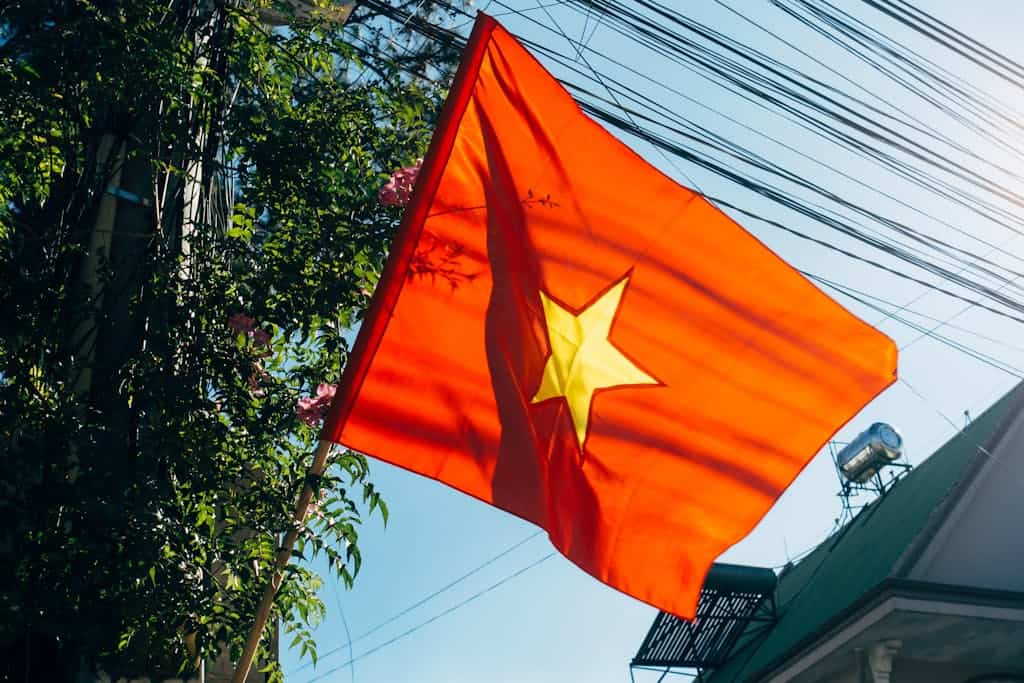
When you’re in Vietnam, a piece of etiquette to remember is to tread lightly when it comes to discussing politics, the government, or national heroes.
Freedom of expression might not be the same here as it is back home. What might seem like harmless criticism to you can be deeply offensive to locals or even land you in trouble. A few years ago, a foreign expat got hit with a serious offense for blogging badly about the country, and he got kicked out!
The Vietnamese hold their country, its leaders, and their national heroes in high regard. To make sure your visit is respectful, it’s best to steer clear of any conversations that could be interpreted as critical or disrespectful.
6. Do Not Give Money to Street Kids
While it’s becoming less common, you might still come across children begging on the streets of Vietnam. Your first instinct might be to reach into your pocket and give them some money. However, it’s important to understand that these children are often under the control of adults exploiting them for financial gain.
The sad reality is that the money you give rarely benefits the children directly; instead, it goes straight to the pockets of those exploiting them.
If you really want to make a difference, consider supporting local charities or organizations dedicated to helping street children. These groups work to provide education, shelter, and a way out of the cycle of exploitation.
Some charities you can support are:
- Blue Dragon – Provides shelter, education, nutrition, legal support, social work and transitions for kids living on the streets.
- Saigon Children’s Charity – Helps disadvantaged children get an education and fairer start in life.
- Hope Box – Supports and raises awareness for women and children facing gender based violence.
7. Do Not Wear Skimpy Clothing to Temples
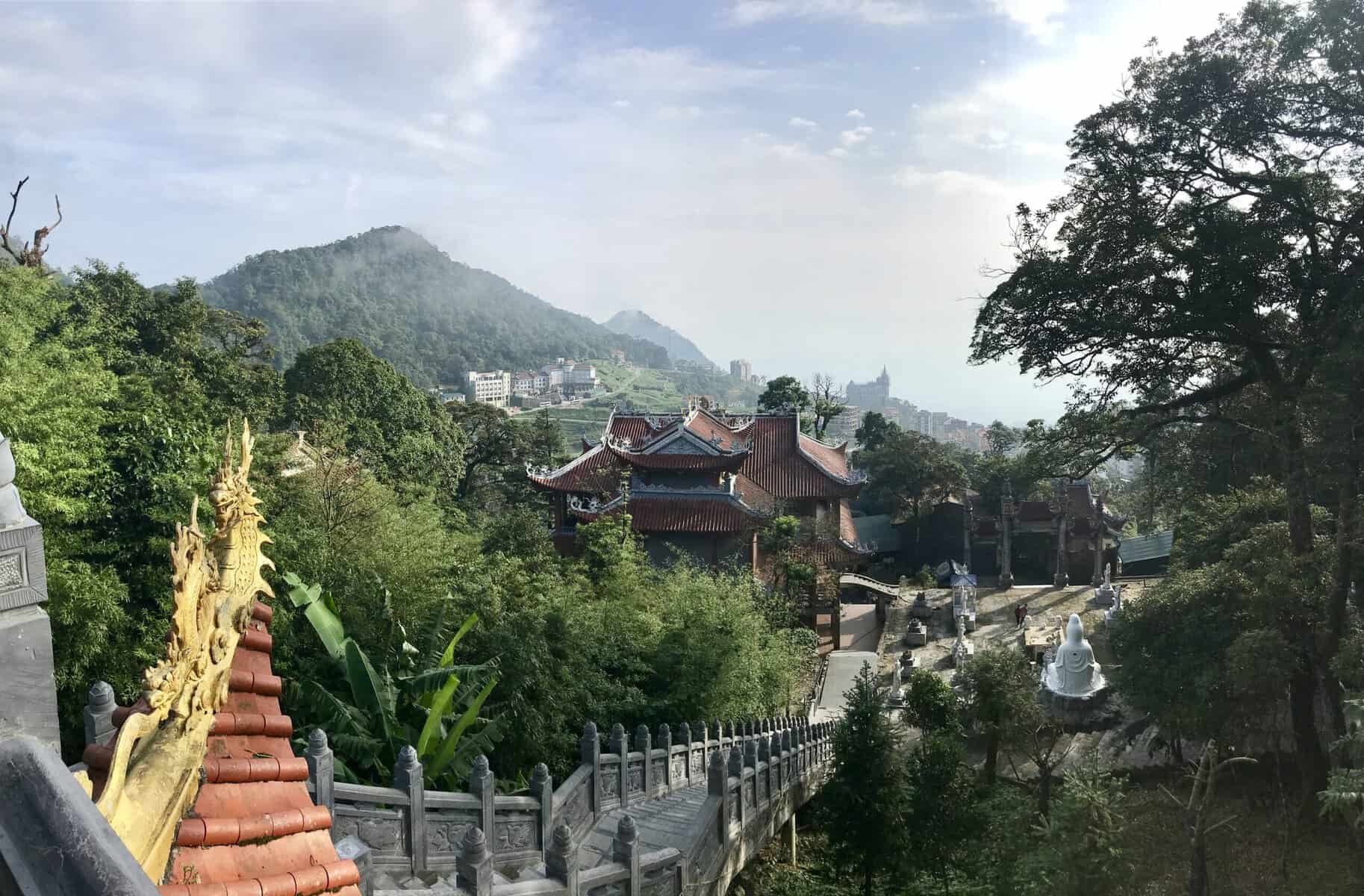
When you’re packing for Vietnam, keep in mind that while the dress code in most places is quite relaxed, temples, religious sites, and sacred places demand a bit more respect.
Shorts and tank tops might be your go-to for battling the heat while exploring the major cities, but they’re not suitable for temple visits. These sacred spaces are places of worship and reflection, and dressing appropriately is a sign of respect.
Just bring along a sarong or a scarf. You can use it to cover your shoulders or wrap it around your waist to cover up and not show too much skin when you enter a temple.
This small act of mindfulness ensures you’re showing respect for the local culture and religious practices.
8. Do Not Wear a White Headband
In Vietnam, wearing a white headband carries a deep cultural significance, especially linked to funerals. It’s part of the traditional attire worn to show respect and mourning for the deceased.
While tourists sporting a white headband isn’t seen as disrespectful per se, it’s worth being mindful of its meaning. Imagine walking around, exploring the streets, and suddenly finding yourself amidst a funeral procession. With a white headband on, you’d inadvertently appear to be part of the ceremony.
9. Do Not Ignore the Air Quality

The air quality in Vietnam can be a bit of a shock to the system, especially if you’re coming from a place where clear skies are the norm. In cities like Hanoi and Ho Chi Minh City, the mix of traffic, industrial activities, and other factors can lead to days where the Air Quality Index (AQI) tips into the unhealthy range.
No, you’re not going to end up with “Black Lung” à la Zoolander after a few weeks, but if you’re not careful, you might notice you’re not feeling your best.
For those with existing conditions like asthma, it’s important to come prepared with any necessary medications. A simple but effective way to guard against the effects of air pollution is wearing a mask while out and about.
Additionally, checking that your hotel or Air BnB is equipped with air purifiers is a good thing to ask. It’s also worth noting that there are certain times of the year that the air is worse. Where I live in Hanoi, February and March have terrible AQI. Reading up on the best time to visit Vietnam may help make that decision for you.
10. Do Not Underestimate the Strength of the Sun
The sun in Vietnam doesn’t play around. Whether you’re cruising through the Mekong Delta, wandering the streets of Hanoi, or lounging on the beaches of Phu Quoc, its rays are potent and can leave you with a nasty burn before you even realize what’s happening.
Don’t be fooled by overcast days either; the sun has a sneaky way of getting through the clouds, catching many travelers off guard. Applying a strong SPF sunscreen regularly, wearing a hat, and seeking shade whenever possible are just a smart way to travel in general.
I recommend bringing sunscreen with you from home. Most of the sunscreens here are “whitening sunscreens” or really expensive!
This also means staying hydrated! I see it all the time – people forget to drink water – then they feel weak and tired and don’t know why! No matter what time of year you are visiting, drink plenty of water throughout the day.
11. Do Not Trust Every Smiling Service Worker
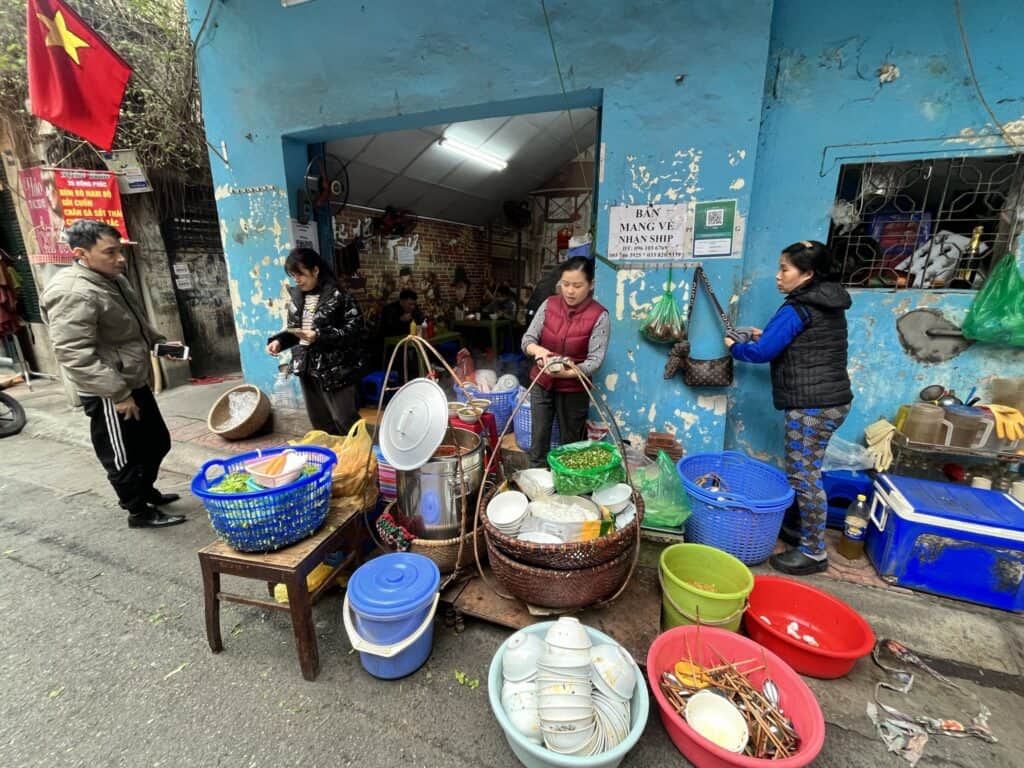
Navigating the streets of Vietnam, you’ll meet many service workers greeting you with warm smiles and friendly gestures. While the majority are genuine, it’s smart to stay alert.
Like any popular tourist destination, Vietnam has its share of scams targeting foreign visitors. From overpriced taxi rides to street peddlers selling goods at inflated prices.
This isn’t to say you should view every interaction with suspicion, but rather approach each with a healthy dose of caution. Equip yourself with knowledge by reading up on common scams before you go—my article on the top scams in Vietnam is a great place to start.
12. Do Not Think the Sidewalk is a Safe Place to Walk

Navigating the sidewalks in Vietnam comes with its own set of rules, and assuming they’re a sanctuary from the streets is a common mistake. Here, the line between sidewalks and roads often blurs, with motorbikes zipping past as freely on the sidewalk as they do on the street. This will be even more so during rush hours when Vietnamese locals are doing whatever they can to avoid traffic.
It’s not just the moving bikes; parked motorbikes and cars frequently take up sidewalk space, making parts of it impassable for walkers. This means that even on what seems like a safe stretch of sidewalk, you need to be as alert as you are when crossing the road.
I know I mentioned how to cross the street in the very first tip, but also, don’t let a pedestrian light lull you into a false sense of security. Traffic signals are more like suggestions here, and vehicles might not stop for red lights or pedestrian crossings.
The same goes for one-way streets; don’t be surprised to see vehicles coming from the wrong direction.
The key to walking in Vietnam is constant awareness and never assuming you’re completely safe from traffic, even in spaces designed for pedestrians. This might sound ridiculous, but it is important to note!
The Bottom Line: What Not to Do in Vietnam
You’re now properly armed with these insights on what not to do as you gear up for your Vietnam adventure.
From mastering the art of crossing the street to safely enjoying the street food, every tip I’ve shared is something I see visitors do all of the time.
As you pack your bags and get ready to step foot in Vietnam, keep these guidelines in mind, but also stay open to the unexpected. My favorite experiences in Vietnam have often happened in unplanned moments.
If you’re ready to explore Vietnam the right way, you can dive deeper into my resources for more insider tips, guides, and stories to make your trip truly unforgettable.