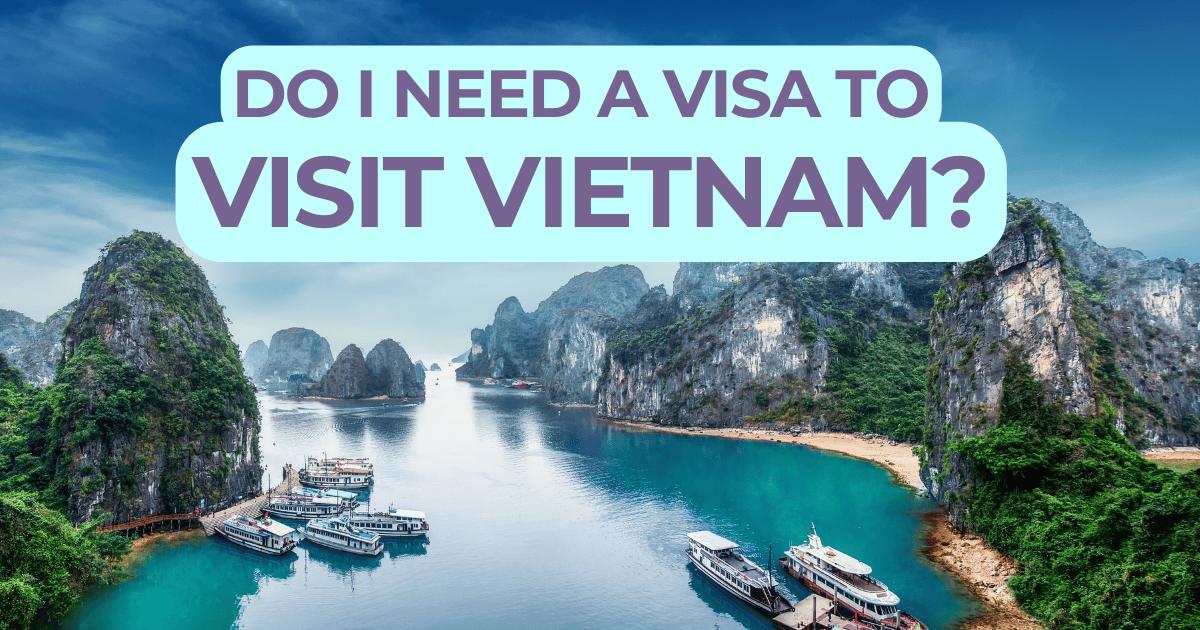
19 Essential Tips for Traveling in Vietnam in 2025
Disclosure: This article contains affiliate links, meaning when you make a purchase, I earn a small commission. Affiliate links cost you nothing to use, and help keep my content free. It’s a win-win! For more information see the Disclosure Policy.
Attention Travelers! I have some important information to share with you about traveling to Vietnam!
After living in Hanoi for the better part of a decade, I’ve gotten to know the ins and outs of this place. I’ve traveled this country from north to south, exploring tons of Vietnam Destinations throughout. I’m excited to share some of what I’ve learned, hoping it’ll make your trip smoother and more fun.
Vietnam is an incredible country, full of life and surprises around every corner. But, traveling here can come with its own set of challenges. From making sure you stay safe and healthy to figuring out how to get around without getting lost or overcharged, there’s a lot to think about.
It is my goal to help you get the most out of Vietnam.
I’m here to help you cut through the noise. I’ll give you the lowdown on what it’s really like to explore Vietnam, from the perspective of someone who’s been here a while. We’ll talk about everything from what to pack, to how to deal with the chaotic traffic, to how to avoid the common pitfalls that catch travelers.
That said, we’ve got a lot to cover. I’m going to guide you through all of the questions you may have as you plan, prep, and head off on your Vietnam vacation.
NEED HELP PLANNING YOUR TRIP? COMMISSION A CUSTOM VIETNAM ITINERARY TODAY. (Coming Soon)
Buckle up. There is a lot of information coming at you. This is not a guide from someone who traveled to Vietnam for a week in 2018. This is a guide from a local expat (me!) who has called Vietnam home for the better part of a decade.
In fact, there is so much information that I think is important for you to know about traveling to Vietnam that I have made this a PDF you can download and keep on your phone to check again when you need it. (Coming Soon)
Let’s not waste anymore time and get to it.
1. Safety and General Precaution
On the whole, Vietnam is a very safe country to travel to as a tourist. Especially for a solo female traveler.
The following points are the major things you will need to consider in terms of your safety and general precaution. We get into these deeper into the article:
- Motorbike safety
- Gut health and not getting sick
- Tourist scams

In nearly seven years of living here I can think of two instances where I have felt uncomfortable. Not unsafe, just uncomfortable. One involved a very rude and pushy taxi driver, and the other involved inappropriate touching on the street.
To be honest, I have had the most scary encounters while driving my motorbike. If you’re planning on renting and driving a motorbike in Vietnam, make sure your read some of my tips and navigating the traffic.
Some more stats on safety in Vietnam:
According to the World Population Review, Vietnam is the 40th safest country in the world in 2024.
The Global Peace Index has Vietnam at #43 safest on all three of its index ratings.
Numbeo Safety Index = 55.9
2. Vietnamese People, Vietnam History and Views on Americans and Travelers
When I first decided to move to Vietnam, my parents’ friends (American Baby Boomers) were a bit surprised. “Why would you go to Vietnam?! Don’t they hate us over there?!”
Friends from my generation (millennials) suggested I just not tell anyone I was American and pretend I’m Canadian.
Now, this was nearly a decade ago, and my friends and family are a bit more in the know as to what life in Vietnam is like. But, this mindset makes sense, and is not uncommon especially if you are coming from the USA.
The answer is, no. The Vietnamese do not hate Americans (or any other nationalities for that matter).
The Vietnam War, or the American War as it is called over here, is viewed by the older generation as a heroic bloodstain – when they won independence. The younger generation looks at the war as an historic event in the timeline of their country.
As my 65 year old cook/cleaner/life helper (basically my Vietnamese mother) puts it, “Vietnamese are very strong. We don’t worry. We like everyone”. Maybe everyone doesn’t feel the same as her, but on the whole the Vietnamese are friendly and welcoming to every kind of traveler.
I have never felt unwelcome, targeted or like I shouldn’t be here. From the very north of the country to the South. In fact, especially during the US elections (we shall see what happens this year), the Vietnamese, young and old, are curious about the US candidates.
3. Geographical Information
I am not a textbook, so I will not be going into great detail here about the geography of Vietnam, but there are a couple of things you might want to know.
Vietnam is a long country! From top to bottom it measures in at 1,650 km (1,000 miles).
Roughly Translated: It means that Vietnam is likely bigger than you think!
You cannot hop on a bus and get from Ho Chi Minh City in the south to Hanoi in the north in any comfortable amount of time. It means that there are distinct parts of the country that are very different from each other. The north, the central and the south are the three major regions of Vietnam.

What does this mean for you as a traveler? It means that if you have limited time in the country, choosing one of the regions and exploring will likely be a better use of your time than traveling the country from top to bottom. Though if you do decide you want to see all of Vietnam, traveling by plane will be a lot more efficient than buses or trains!
One more geographical and climate point to pay attention to is the latitude of the northern part of the country. Hanoi is located at 21 degrees north of the equator. The northernmost part of the country, in the Ha Giang District, is at 23 degrees north. This means Vietnam is at the same latitude as northern Africa and southern North America.
Roughly Translated: It gets cold in Vietnam!
What does this mean for you as a traveler? It means if you come to Northern Vietnam in the winter months (December-March) prepare for colder weather! Between the mountains and the way the monsoon seasons in Asia collide, the northern part of the country has seasons. Every year I see travelers arriving to Hanoi in January totally unprepared for the fact that it is chilly!
The southern regions have a tropical climate though, so it will be hot down there year round.
If you want more information about the weather and climate check out my article on the best time to visit Vietnam, or browse weather by month.
4. Passport and Tourist Visa Requirements
Chances are you need a visa to get into Vietnam! Do not get stuck without one, I have known too many people who have been denied boarding on planes because they messed up the visa situation.
Luckily it’s not that hard.
The most straightforward option is the e-Visa. It’s a single entry or multiple-entry visa, valid for up to 30 days to 3 months, and you can apply for it online. Just fill out the form on the official government website, upload a photo, and you’re set.
Pay Attention: You DO NOT need to go through an agency and pay a fee to get an e-visa. There are many agencies that will charge you a fee to get the visa for you. This is not necessary. Just go to the official website here and apply.
It usually takes about 3 business days to get approved, so make sure to plan ahead.
If you are in an absolute rush and need a Vietnam visa ASAP (less than 1 day), then you will need to go through a visa agent.
Also, keep in mind that not everyone is eligible for an e-Visa, so it’s worth checking if your country is on the list. If the e-Visa isn’t an option for you, there are other types of visas available, but they might require a bit more legwork, including a visit to a Vietnamese embassy or consulate.
Remember, the rules can change, so it’s always a good idea to double-check the most current visa requirements before you book your trip.
5. The Best Time to Visit Vietnam
Ask anyone that has lived in Vietnam for a while when the best time to visit is… you will get wildly different answers!
Truthfully, the best time to visit Vietnam is subjective and varies based on many factors. It also depends on where you are planning on going in Vietnam.

Let’s do a quick breakdown by region:
If you are looking to visit Vietnam for the beaches and forests and to spend time outside being active, you will want to come during the dry season.
Southern Vietnam Dry Season: November – May | Northern Vietnam Dry Season: October – March | Central Vietnam Dry Season: February – July
If you are more interested in exploring the history and the cities, it will probably be best to come during the colder times of year. It is not super fun to walk around all day when it is 40 C (100 F) outside!
For that you will want to come to Vietnam sometime between November – March in all areas.
I have a whole bunch of resources on weather and climate and what to expect in Vietnam during every month of the year – which you can check out here.
For the sake of this article, here is a short overview of expected conditions:
| Northern Region | Central Region | Southern Region | |
| January | ● 14-22°C (57-72°F) ● Cool and dry, with occasional light rain. ● It’s a great time to visit if you prefer cooler weather, especially for exploring Hanoi and Halong Bay. | ● 20-24°C (68-75°F) ● Cool with occasional rain, particularly in the northern part of Central Vietnam. ● Good time for visiting, especially for those who prefer milder weather and fewer rain showers. | ● 26-32°C (79-90°F) ● Warm with low humidity, marking one of the best times to visit due to the dry season. ● Ideal for exploring the vibrant streets of Ho Chi Minh City or relaxing in coastal areas like Phu Quoc. |
| February | ● 15-23°C (59-73°F) ● Starts to warm up slightly, remaining dry with more sunshine. ● Still pleasant for sightseeing and enjoying Tet Celebrations | ● 21-25°C (70-77°F) ● Warming up slightly, with decreasing rainfall. The central coast starts seeing more sunny days. ● Increasingly pleasant for travel, with the chance to celebrate Tet | ● 27-33°C (81-91°F) ● Still dry with rising temperatures, but very pleasant overall. ● Great for outdoor activities and enjoying the beaches, with the added bonus of Tet celebrations. |
| March | ● 18-26°C (64-79°F) ● Warmer with increasing humidity and occasional showers towards the end of the month. ●Good for visiting, as the countryside begins to bloom, but expect more tourists | ● 22-27°C (72-81°F) ● Warmer, with dry conditions dominating. The central highlands may still experience some cool evenings. ● Great for exploring outdoor attractions and beaches, as the weather is comfortable and mostly dry. | ● 28-34°C (82-93°F) ● Hotter, with humidity beginning to increase, yet still within the dry season. ● Good for visiting before the wetter months start, with everything from city tours to beach days still enjoyable. |
| April | ● 20-28°C (68-82°F) ● Warm, with humidity rising and more frequent rain showers. ● Ideal for those who don’t mind a bit of rain, especially to see the lush landscapes after the rain. | ● 24-30°C (75-86°F) ● Hot and dry, with very little rainfall, making it one of the driest months in Central Vietnam. ● Excellent for beach vacations and visiting places like Hoi An and Hue, thanks to the clear skies and sunny weather. | ● 29-35°C (84-95°F) ● Very hot and starting to get humid, marking the transition towards the wet season. ● Still manageable for travel, but prepare for higher temperatures and the beginning of occasional showers. |
| May | ● 23-32°C (73-90°F) ● Hot and humid with the onset of the summer monsoon, leading to significant rainfall. ● Challenging due to heat and rain, but it’s a good time for nature and fewer tourists | ● 25-32°C (77-90°F) ● The heat continues to build, and the rainy season starts towards the end of the month, especially in the south and central highlands. ● Still good for visiting, but expect hotter days and the onset of occasional rains, particularly in late May. | ● 28-34°C (82-93°F) ● The onset of the wet season, with frequent afternoon thunderstorms, yet still hot. ● The rains bring relief from the heat and add lushness to the scenery, making it a good time for those who don’t mind the rain. |
| June | ● 25-33°C (77-91°F) ● Similar to May, hot and humid with heavy rains. ● Less ideal for outdoor activities, but good for cultural exploration in cities | ● 25-33°C (77-91°F) ● Hot and beginning to get wetter as the rainy season progresses, with afternoon showers becoming more common. ● Suitable for those who don’t mind the heat and sporadic rain | ● 26-32°C (79-90°F) ● Wet season in full swing, with regular rain showers, especially in the afternoon. ● Suitable for travelers looking to explore without the peak tourist crowds, despite the wet conditions. |
| July | ● 26-34°C (79-93°F) ● Peak heat and humidity, with frequent heavy rains. ● Consider visiting cooler, mountainous areas like Sapa if you’re in the region. | ● 26-34°C (79-93°F) ● Similar to June, with peak temperatures and increased rainfall, especially in the afternoon. ● Beaches might still be enjoyable in early July, but be prepared for rain and consider indoor activities as well. | ● 26-31°C (79-88°F) ● Similar to June, with high humidity and frequent rain, though mornings are often clear and sunny. ● Good for those who enjoy lush landscapes and cooler afternoons, thanks to the rain. |
| August | ● 26-33°C (79-91°F) ● Still very hot and humid, with ongoing rain, though slightly decreasing. ● Similar to July, seek out cooler areas or enjoy city culture indoors. | ● 26-34°C (79-93°F) ● Remains hot and wet, with the rainy season in full swing, leading to heavier showers. ● Challenging for outdoor activities due to the heat and rain, but good for exploring the region’s rich culture and history. | ● 26-31°C (79-88°F) ● Continues to be wet, with some of the heaviest rainfall of the year, but still interspersed with sunshine. ● Ideal for visitors interested in experiencing Vietnam’s vibrant city life and indoor attractions. |
| September | ● 24-31°C (75-88°F) ● Beginning to cool down, with less humidity and rain easing off. ● Becomes more pleasant for travel, with mid-autumn festival activities in many places. | ● 24-31°C (75-88°F) ● The weather starts to cool slightly, but heavy rains can occur, particularly from typhoons. ● Travel can be hit or miss, with potential for beautiful days but also significant rain disruptions. | ● 25-31°C (77-88°F) ● The rain starts to lessen, but it’s still a significant feature of the climate. ● A transition month, with fewer tourists and plenty of greenery, suitable for those who don’t mind occasional showers. |
| October | ● 22-29°C (72-84°F) ● Cooler, with lower humidity and rainfall continuing to decrease. ● Great time for tourism, with comfortable weather for exploring | ● 23-29°C (73-84°F) ● Cooler, but with some of the heaviest rainfall of the year as the monsoon peaks. ● Not the best time for beachgoers, but those interested in the culture and less crowded sites might find it rewarding. | ● 24-30°C (75-86°F) ● Rainfall continues to decrease, and temperatures start to become more comfortable. ● Increasingly pleasant for travel, with a mix of sunny and rainy days allowing for diverse activities. |
| November | ● 18-26°C (64-79°F) ● Cool and dry, with clear skies and mild temperatures. ● Excellent for visiting, with ideal weather for outdoor activities and sightseeing. | ● 22-27°C (72-81°F) ● Beginning to dry out, especially towards the end of the month, with cooler temperatures settling in. ● Improving conditions for travel, with less rain and more comfortable temperatures for exploring. | ● 24-30°C (75-86°F) ● Marking the end of the wet season, with drier conditions starting to return. ● Great time for beach holidays and exploring the Mekong Delta as the weather improves. |
| December | ● 15-23°C (59-73°F) ● Cool, dry, with the chilliest temperatures of the year, especially at night. ● Good for those who enjoy cooler weather, with festive activities towards the end of the month. | ● 20-24°C (68-75°F) ● Cool and mostly dry, with the north-central coast experiencing some of the best weather of the year. ● A great time for visiting, especially for those looking to enjoy outdoor activities and explore the region’s unique cultural heritage without the extreme heat or heavy rain. | ● 24-30°C (75-86°F) ● Warm and mostly dry, offering some of the best travel conditions of the year. ● Perfect for end-of-year holidays, with comfortable weather for enjoying both cities and coastal areas. |
The weather is likely not the only reason you want to come to Vietnam, If you are still undecided on if you want to travel here I recommend reading these articles on why everyone should visit Vietnam:
6. Restaurant Service and Tipping
If you are from the US or UK and are used to going out to restaurants with excellent service, prepare yourself, you will NOT get that in Vietnam.
Checking in on customers and bending to your every whim is not something that happens in Vietnam (unless you are in a fancy restaurant) because waiters do not work for tips.
So why do I tell you this?
When you come to Vietnam, come with lower standards and a bit more patience for restaurant service.
It drives me crazy seeing foreigners complain about or get mad at Vietnamese wait staff for lack of service. This is not because they are bad at their jobs, it is because this is part of the culture and how restaurants are run.
I have seen a change in restaurant service since I have lived in Vietnam for the last 7 years. As more and more tourists and foreigners visit, service has improved. However it is nothing like service in the US, and likely never will be. Be prepared, have patience, and all will be fine!
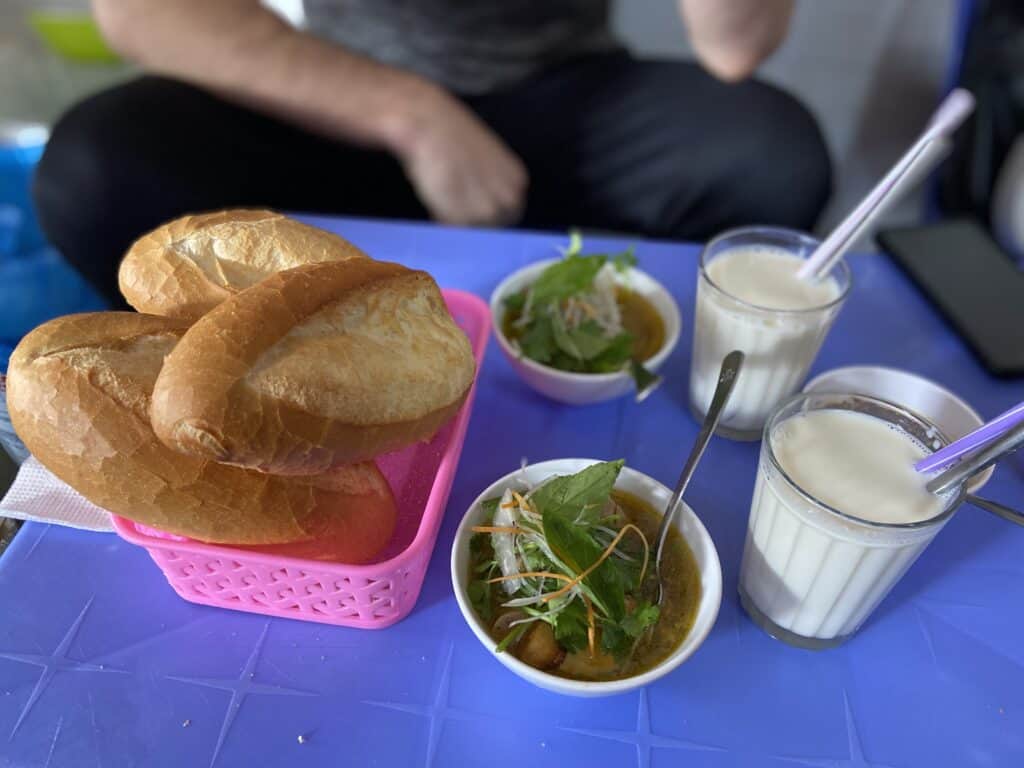
A few things that will likely happen when you are in a restaurant:
- They will come to your table and just stand there and stare at you until you are ready to order.
- They will take one person’s order and then leave and not take anyone else’s order.
- You will need to flag down waiters and waitresses if you need anything, they will not come over and check on you
Tipping is not really a thing in Vietnam restaurants (or anywhere for that matter). If you don’t tip anything, no one will think badly of you.
I tend to tip whatever change is left after paying the bill. Or if the service was quite good, or I could tell they were trying really hard, I will leave something extra.
If the weather is bad and I order food delivery or a taxi, I will typically add on an additional 20,000 – 30,000VND.
Unlike the US, there are no specific percentages you should tip by.
Living in Vietnam, we have gotten used to sub-par service at most restaurants. Honestly, I am happy if the food comes like I ordered it. Depending on where you are from, this might be dramatic for you. I wrote some tips about dining out in this article you should check out.
7. Eating in Vietnam
Ah, Vietnamese food. Quite possibly one of the main reasons you are traveling here – at least it used to be for me! No joke, I used to take extended weekends from Seoul to Hanoi, specifically for the main purpose of eating.
Eating throughout Vietnam can be as healthy or as unhealthy as you want it to be! Eating throughout Vietnam can be as expensive or as inexpensive as you want it to be. You can have purely local experiences or be fancy and only eat in sit down restaurants and hotels (I hope you don’t choose this option).
Food is one of the centerpieces of Vietnamese culture. Sitting down for a bowl of pho with strangers is still one of my favorite things to do in this country.

You can still eat healthy while traveling in Vietnam, but my recommendation to you is:
Try Everything! Live a little! You’re on Vacation!
You’re only here for a short time, binge on all the foods. Eat the extra banh mi with pate and sausage. Embrace the Vietnamese pancakes sizzling in oil. Here are some resources to check out on getting you excited about Vietnamese food:
If you are looking for a list of healthy food options, I do have that for you over here.
8. Drinking Water
Wondering whether or not it is safe to drink the water in Vietnam is a legit concern. I break things down for you much deeper in an article here, so for now let’s just get to the plain and simple of it.
You should not drink tap water in Vietnam – however if you do – you will likely be okay.
Drinking tap water in Vietnam isn’t recommended for visitors, mainly because our bodies aren’t used to the local water system. But, if you do happen to drink it, you likely will not get sick. It is mostly a safety precaution.
- You can brush your teeth
- You can take showers
- You can rinse your mouth out.
- You can drink drinks with ice in them.
Bottled water is everywhere and it’s inexpensive, so you can easily keep hydrated as you check out all the cool spots.
If you’re thinking about the environment, bringing a reusable water bottle with a filter is a smart move. You can fill up at your hotel in the morning, and buy water from restaurants/cafes as you explore.
9. What to Wear on Vacation in Vietnam
Telling people what to wear on vacation is one of those things that is hard for me to do. I don’t know how you like to dress! I tend to pack an absurd amount of workout clothes because in my head I am working out every day on vacation.
One of the coolest things about Vietnam is that if you don’t have the right clothes, you can likely find something that fits what you need. If you’re in a place like Hoi An, you can have clothes custom made in 24 hours. If you’re in any other big city and find yourself lacking something. There is always a street side shop selling raincoats or t-shirts or knock off clothes.
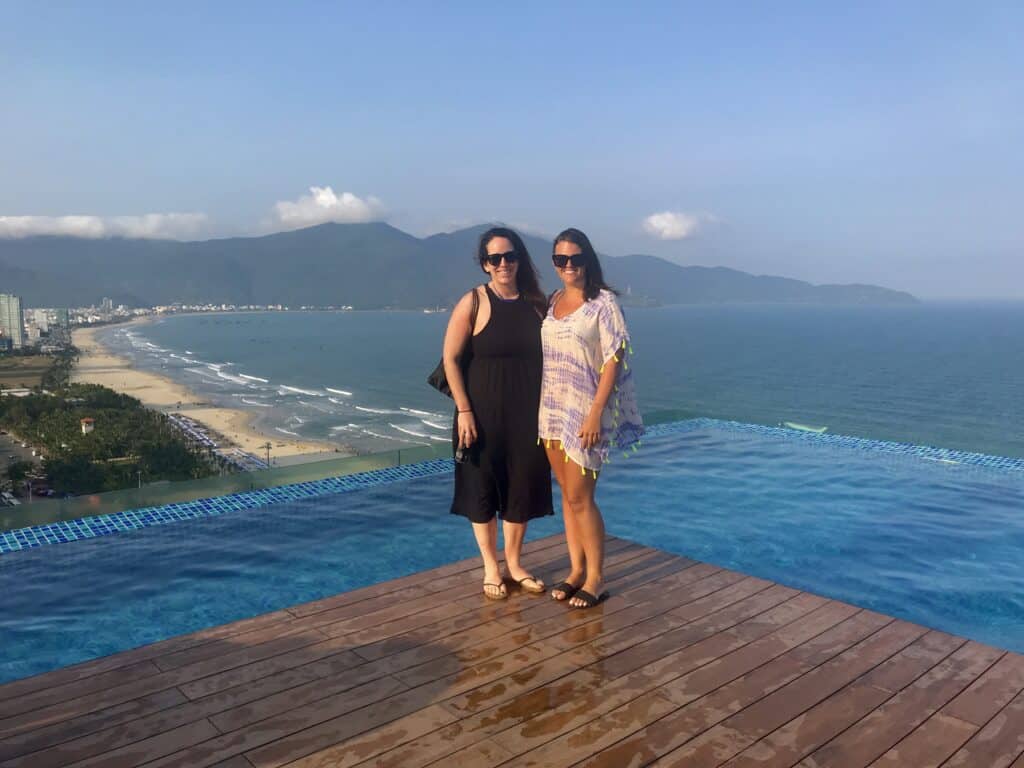
That being said, I do have a whole article for you to check out on what to bring with you on vacation to Vietnam.
For now, I’ve got you covered with some advice on what to wear in different settings, so you can focus more on enjoying your time and less on fretting over outfits.
Cities
In cities like Hanoi and Ho Chi Minh City, you’ll want to balance comfort with respect for the local culture. Lightweight, breathable clothing is your best bet due to the humidity.
Think cotton tees, loose pants, or midi skirts. Shorts are okay, but not too short.
Footwear-wise, comfortable sneakers or sandals are essential for all the walking you’ll be doing on those city streets.
Beaches
Vietnam’s beaches are laid-back and beautiful. Here, your usual beachwear is perfectly fine. Swimsuits, shorts, tank tops, and flip-flops are the norms.
Just remember to bring a cover-up for when you’re wandering off the sand, as it’s common courtesy, especially in local or less touristy areas.
Sun protection is key, so don’t forget hats and sunglasses.
Mountains
If you’re heading to the cooler, mountainous areas like Sapa, layers are your friend. The weather can be quite changeable, so pack a mix of short and long sleeves and a jacket or sweater that you can throw on if it gets chilly.
Sturdy, comfortable footwear is a must for those treks. And even though it’s cooler, the sun can still be strong, so a hat and sunscreen are good ideas here too.
Temples
Visiting temples requires attire that shows respect for the place and culture. Shoulders and knees should be covered, so bring along a scarf or shawl and wear longer shorts, skirts, or pants. Slip-on shoes are a good choice since you’ll need to remove them before entering temples.
If you want to really make it known that you are a tourist in Vietnam, go ahead and buy some of the ‘very fashionable’ items in the local markets: Fruit outfits, silly t-shirts, elephant pants. You’ll be pinpointed straight away as a tourist, but they are fun souvenirs to take home!
Vietnam is pretty relaxed when it comes to dress codes, but being mindful of local customs and traditions goes a long way.
Pack light, but pack smart.
10. Bathrooms
Navigating the bathroom situation in Vietnam is a bit of an adventure in itself.
Public toilets aren’t as common as you might be used to, so when you’re out exploring, your best bet for a clean and accessible bathroom is often becoming a temporary patron of a coffee shop or cafe. It’s a small price to pay for comfort and a little peace of mind.
Street food spots, while incredible for a bite, usually don’t come with the convenience of a bathroom, or if they do, it might not be what you’re expecting. Sometimes, if you’re hanging out at a bia hoi (local beer joint) or a street stall and need to use the restroom, you might find yourself walking through someone’s home to use their personal bathroom. It’s just part of the experience here!
A pro tip: always have wet wipes or toilet paper and hand sanitizer on you. It’s a simple prep that can save you from sticky situations.
11. Bum Guns
I am adding a special section to this list of top tips for traveling in Vietnam to tell you all about one of Vietnam’s not-so-secret bathroom marvels: the bum gun.
If you’re not familiar, it is basically a handheld bidet, a nifty little sprayer next to the toilet that’ll change your bathroom experience for the better. Initially, it might seem a bit scary or strange if you’re new to it, but give it a try and you might just find yourself wondering how you ever lived without one.

The bum gun offers a refreshing and, dare I say, liberating clean that toilet paper alone can’t match. It’s eco-friendly, reducing the need for loads of toilet paper, and once you get the hang of it, it’s incredibly simple to use.
Embrace the bum gun while you’re here; it’s one of those little cultural differences that makes traveling here a unique experience. Don’t be surprised if you start wishing they were common back home!
(And if you are like any of my friends that have lived in Vietnam, when you do get home, you can easily install one in your house!)
12. ‘In Case of Emergency’ Numbers
In the rare case you find yourself in an emergency situation while in Vietnam, knowing the right numbers to call is crucial. Here are some of the important numbers to know in case you need help:
👮🏻 Police – 113
🚑 Ambulance – 115
🔥 Fire – 114
Keep in mind that the operators at these numbers typically do not speak English. Finding a local nearby who can help translate could be a lifesaver.
Another thing to consider is that, unfortunately, the ambulance and fire services in Vietnam may not always meet expectations in terms of speed and efficiency in responding to emergencies.
Many expats, myself included, have found that in urgent situations, it’s often faster and more convenient to call a Grab or a taxi. This might sound surprising, but it’s honestly what I would do and recommend in a pinch. It’s a practical tip that reflects the realities of navigating emergency services here, ensuring you get the help you need as quickly as possible.
13. Health Care & Medical
When it comes to healthcare and medical in Vietnam, travelers have a range of options that can fit different needs and preferences.
Yes, there are plenty of local hospitals where medical services will cost a fraction of what you might be used to back home. However, if you’re looking for something that feels a bit more familiar, or if you need services in English, Vietnam has got you covered with “western” hospitals too. These are more expensive but offer comfort through services tailored for foreigners, including English-speaking doctors.
Raffles Medical and Family Medical Practice are two well-known chains you’ll find in the main cities, providing quality healthcare to expats and travelers.
Remember: Just because healthcare is more affordable here doesn’t mean you should skimp on being prepared. Traveling without insurance is a risk not worth taking.
If your medical insurance back home doesn’t extend coverage to Vietnam, make sure to get yourself travel insurance. It’s one of those things you don’t want to need but will be glad to have if the unexpected happens. Stay safe and covered, so you can enjoy your adventures worry-free.
I always use Safety Wing when I travel, and have a whole article about travel insurance for Vietnam.
14. Staying Healthy & Safe
Staying healthy and safe in Vietnam is all about being proactive and mindful of the common issues travelers might face. Let’s break it down:
Motorbike Accidents
It might seem really cool to zip through the streets on a motorbike, but safety should always come first. Always wear a helmet, drive defensively, and if you’re not experienced, consider other forms of transportation. Accidents are common, and it’s not worth the risk without proper precautions.
And it is not just accidents on motorbikes you need to be careful of. The “Vietnam Tattoo ” is somewhat of an ironic souvenir many travelers unintentionally get while in Vietnam.
It’s not ink, though, but a burn mark from brushing against the hot tailpipe of a motorbike. It is super common to see travelers walking around Hanoi or HCMC with a bandage on their calf.
While it might serve as a reminder of your adventures, it’s definitely one to avoid. Pay a bit of extra attention to where you’re stepping, and how you get on and off motorbikes.
There are far too many things that can go wrong on a motorbike, so make sure you read my guides on how to navigate traffic in Vietnam and Motorbike Safety Tips.
Food Poisoning/Sickness
Vietnamese cuisine is delicious but can be a shock to unaccustomed stomachs. Stick to busy eateries where high turnover means fresher food, and just be smart about the street food you eat. If it seems off, it probably is. If there are lots of people, it’s probably fine!
In my nearly seven years in Vietnam I have NEVER gotten food poisoning from street food – and I eat it a lot!
Washing your hands regularly and carrying hand sanitizer can also prevent unwanted bugs.
Sunburn and Dehydration
The Vietnamese sun can be relentless. Wear high SPF sunscreen, a hat, and sunglasses, and keep hydrated by drinking plenty of water. Don’t underestimate the climate; heatstroke and sunburn can sneak up on you.
Pro Tip: Bring sunscreen with you. You can absolutely find sunscreen in Vietnam, but it will probably not be the brand you like from your home country and it will not be cheap. A normal bottle of spray sunscreen is about 280,000-300,000 VND ($12). Also, many of the face sunscreens have whitening cream in them.
Infections
Tropical climates are breeding grounds for various infections. Avoid walking barefoot to dodge fungal infections and wear insect repellent to fend off mosquito-borne illnesses.
Keep any cuts clean and covered to prevent infections. I learned this one the hard way. A tiny little cut on my ankle got infected and in a matter of a few hours, my entire leg was hot, red and swollen. I had a bad case of cellulitis, and needed emergency treatment! Be aware and safe!
Animal Bites
While petting animals is always fun (at least for me), it is best to maintain a safe distance, especially from stray dogs and cats to avoid bites or scratches. Rabies is present in Vietnam, so consider a rabies vaccine before your trip and seek immediate medical attention if bitten.
I also learned this the hard way, as I pet just about every dog and cat I come into contact with. I got a little bite once and had to go through 4 rounds of rabies shots – not fun!
Pro Tip: If you happen to be walking/running along a quieter village road, bring a stick just in case you run into any not so friendly dogs.
17. Tourist Traps
There is no hiding the fact that there are going to be people that try to rip you off while you are on vacation in Vietnam. This is not special to Vietnam. Ripping off tourists is international.
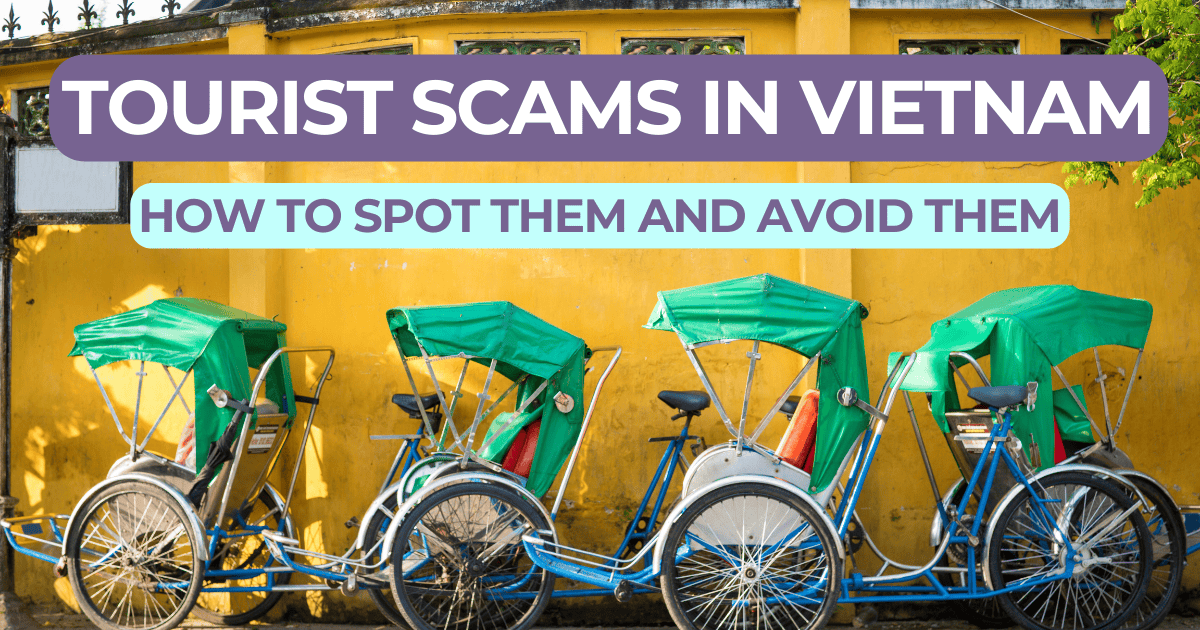
Being knowledgeable about what might be a scam while you are traveling here will help you avoid it as much as you can. I will give you a brief overview of common tourist traps and scams here, but you can go more in depth and get a few more of these in my article: Tourist Scams in Vietnam

Traveling through Vietnam is an unforgettable experience, but like any popular destination, it has its share of tourist traps. Here are five you might want to watch out for:
1. Overpriced Tours: Some tour operators can charge way more for experiences you could arrange yourself at a fraction of the cost. Doing a bit of research and comparing prices can help you find better deals.
2. Street Vendors and Shops Near Major Tourist Attractions: While shopping, you might encounter inflated prices in areas popular with tourists. It’s always a good idea to venture a bit further away for more reasonable prices and to practice your haggling skills.
3. Taxi Scams: Taxi drivers might take longer routes or manipulate the meter to overcharge passengers. Opting for reputable taxi companies or using ride-hailing apps like Grab can help you avoid this.
4. Currency Confusion: Some vendors might take advantage of the similarity between money. The 20,000 VND and 500,000 VND look quite similar, but there is a big difference between X and X. Also the 10,000 VND and 100,000 VND are sometimes confusing. Familiarizing yourself with the local currency and always taking a moment to double-check your change can help prevent this.
5. Shoe Shiners: In the shoe shining scam in Vietnam, a shoe shiner might approach you on the street, pointing out an issue with your shoes and often starting to clean them without your consent. After a quick and unsolicited service, they demand an unexpectedly high fee. To avoid this, politely decline any unsolicited shoe shining offers.
If you want to learn more about possible tourist traps and scams, check out my article on Common Vietnamese Tourist Traps.
18. SIM Card & Staying Connected
Staying connected in Vietnam is pretty straightforward, thanks to the easy availability of SIM cards.
You can pick up a local SIM card at the airport upon arrival, at convenience stores, or at official telecom shops found in most cities.
These SIM cards are quite affordable and come with various data packages, whether you’re staying for a few days or several weeks.
Viettel, Vinaphone, and Mobifone are among the most reliable companies, offering good coverage even in remote and rural areas. Just make sure your phone is unlocked before you arrive.
E-Sim Cards are also a good option in Vietnam. Typically not much more expensive than getting a local sim card, and you won’t have to wait in line at the airport or at a Telecom office to get it started. Here is an article on SIM Cards in Vietnam.
19. Money, Cards & ATMs
Yes, Vietnam may seem like it is lightyears behind in some ways, but when it comes to currency, we’re right there with the global standard, using ATMs, debit cards, and credit cards, not trading goods for gold coins.
The local currency is the Vietnamese Dong, and one of my favorite things about it is that there are absolutely no coins to weigh down your wallet or get lost in the bottom of your bag! Plus, the notes are waterproof – a handy feature in a country known for its sudden downpours!
However, it’s good to remember that despite the growing acceptance of credit cards, cash really is king here. For everyday purchases like street food, local market finds, and small shops, you’ll need to have Dong on hand, as cards won’t cut it.
On the flip side, larger stores, some convenience chains like GS25 or WinMarts, and most restaurants are more than happy to accept your plastic. So, while you can certainly enjoy the convenience of card payments in many places, carrying some cash will ensure you’re never caught off guard.
There are multiple banks and ATMs spread out around Vietnam that will help keep cash in your pocket. Here are some of the most popular and reputable ones:
- Vietcombank (Vietnam Commercial Bank)
- Techcombank
- Agribank (Vietnam Bank for Agriculture and Rural Development)
- BIDV (Bank for Investment and Development of Vietnam)
- ACB (Asia Commercial Bank)
- Shinhan Bank
These banks are generally considered safe and reliable for withdrawing cash. However, it’s always a good idea to inform your home bank of your travel plans to avoid any issues with your cards while abroad.
20. Getting Around Vietnam
Buses vs. Trains vs. Flights
When it comes to choosing your mode of transport for exploring Vietnam, let’s talk about the big three: buses, trains, and planes.
Personally, I lean towards flying as the best way to get around. It might seem like it’d be way more expensive, but when you stack it up against a 15-hour bus journey, a 1-hour flight doesn’t just save time; it’s also not that much heavier on the wallet.
The convenience of hopping from one city to another quickly lets you maximize your travel time, soaking in more sights instead of road miles.
That said, there are moments when I’d lean towards a bus or train ride, especially for those places where planes don’t reach. An example of this would be Hanoi to Sapa or venturing up to Ha Giang.
While planes are my go-to for efficiency and broader exploration, there’s a time and place for the scenic route via train or bus.

Using Public Transportation
Public transportation is something that is very much lacking in efficiency and ease in Vietnam – but it is getting better! In the cities, hopping on public transport like buses or the new metro line in Hanoi and Ho Chi Minh City is cheap and gives you a slice of everyday life here. Problem is, it can be a bit of a puzzle figuring out routes and times.
I honestly and truly do not know much about the bus systems in major cities in Vietnam. I have never taken a bus in my seven years of living in Hanoi. If you want more information on the public transport – check out…
Grab App
In Vietnam, ride-hailing apps have seriously changed the game for getting around, especially if you’re not into braving the public transport system or negotiating with traditional taxis.
Grab is the giant here, pretty much the Uber of Southeast Asia. It has everything from motorbike rides to cars, ensuring there’s something for every budget and preference. It’s incredibly user-friendly, allowing you to book rides, see your fare upfront, and even pay online, which is a huge plus.
There is Be, a local competitor, gaining traction for its reliable service and competitive pricing, giving Grab a run for its money.
Gojek, originally from Indonesia, also operates in Vietnam under the brand name GoViet. It offers similar services to Grab, including motorbike and car rides, making it a convenient choice for getting around. However, Gojek’s presence and market share in Vietnam are smaller compared to Grab.
For travelers, these ride-hailing services are a lifesaver, offering a safe, affordable, and efficient way to explore Vietnam.
Motorbike Rentals
For the adventurous, motorbike rentals offer the ultimate freedom to explore at your own pace. It’s the preferred mode of transport for many locals (myself included) and travelers. Just ensure you’re comfortable with the traffic rules, wear a helmet, and have the necessary license and insurance for a safe journey. Here is an article on everything you need to know about renting a motorbike in Vietnam.
21. Phone Apps
Here’s a handy list of apps to download for your trip to Vietnam, making travel smoother and more enjoyable:
Grab: For easy, reliable rides around the city without the hassle of haggling or language barriers.
Google Maps: Essential for navigation, offering detailed routes for walking, biking, or driving.
Google Translate: A lifesaver for language assistance, especially with its camera feature for instant translations.
XE Currency: Keep track of currency exchange rates
Foody.vn: Discover the best local eateries and coffee shops, complete with reviews and photos.
VPN App: Secure your internet connection and access your favorite sites without restrictions, essential for both security and convenience. I Use Nord VPN.
For more apps that might be useful for you when traveling to Vietnam, check out this article.
Your Pre Departure Guide for a Stress Free Trip
Make sure your trip is seamless from the get-go by diving into my thorough pre-departure articles and guide.
I’ve put together a step by step guide for every part of your planning process. The guide kicks off with a must-have Vietnam Checklist, covering all your travel essentials. From there, I take you on a path full of advice on packing smart, navigating visa requirements, understanding the local culture, and much more.
With my step-by-step approach, you’ll be perfectly prepared for your Vietnamese adventure. You’ll be ready to hit the ground running as soon as your plane touches down.
So, before you pack your bags, take a moment to browse through the pre-departure guide and set yourself up for the best trip to Vietnam.
ULTIMATE TRAVEL CHECKLIST FOR VIETNAM
Final Thoughts: Top Tips for Traveling in Vietnam
If you’ve made it this far – Congrats! That was quite a bit of info! But, when it comes to diving into the Vietnam, this is just scratching the surface.
We’ve covered a lot, yet there are four nuggets I really want you to take away from this:
- Make Plans, but be flexible — The mix of busy cities, calm countrysides, and everything in-between means a little planning goes a long way. But make sure you are open to any sort of experience that might pop up!
- While Vietnam is impressively safe, staying alert and informed about common tourist traps will keep your travels smooth and stress-free.
- Don’t shy away from the street food or local eateries; they’re not just meals, they’re experiences and so so good.
- And lastly, immerse yourself in the culture, history, and daily life here.
Before we part ways, I’ve put together a downloadable guide packed with insider tips and essentials that you won’t find just anywhere—straight from my years of calling Vietnam home.
Also, consider joining our community on Facebook. It’s a space for sharing, learning, and connecting with female travelers in Vietnam, whether you’re still planning your trip or looking to share the amazing stories you’ve collected. (Once the community is live, the link will be here!)
If there is a question you have that isn’t answered in any of my articles, please don’t hesitate to contact me and I’ll get back to you ASAP.
I can’t wait for you to experience Vietnam – it is my favorite place!