Is Hanoi Worth Visiting? Things to Know Before Your Trip
Disclosure: This article contains affiliate links, meaning when you make a purchase, I earn a small commission. Affiliate links cost you nothing to use, and help keep my content free. It’s a win-win! For more information see the Disclosure Policy.
If you’re planning out your travel itinerary through Vietnam, you might be weighing whether Hanoi should make the cut. As the capital city, it’s often pinned up against its southern sister, Ho Chi Minh City. So, what’s the big deal about Hanoi, and is it actually a must-visit destination?
I have called Hanoi home since 2017 and it is my second favorite place in all of Vietnam (closely behind Da Nang). I am quick to sing it’s praises, yet, I’ve seen firsthand that Hanoi isn’t everyone’s cup of tea—or bowl of pho (HA HA I’m hilarious).
Whether it’s the motorbikes weaving through the narrow streets, the weather swinging from blazing sun to sudden showers, or figuring out the local food scene with a cautious stomach, Hanoi can be as challenging as it is charming.
In this article, I’ll dive deep into what makes Hanoi stand apart from not just other cities in Vietnam but from anywhere else in the world. I’ll share why I adore this city, with all its chaos and tranquil corners.
But, I won’t sugar coat it, and will share some aspects that might not be as appealing.
Whether you’re a first-timer to Vietnam or regular visitor, this guide will arm you with all the insights you need to decide if Hanoi deserves a spot on your travel itinerary. So let’s answer the question: Is Hanoi worth visiting?
The Heart of Vietnam: Hanoi’s Unique Appeal
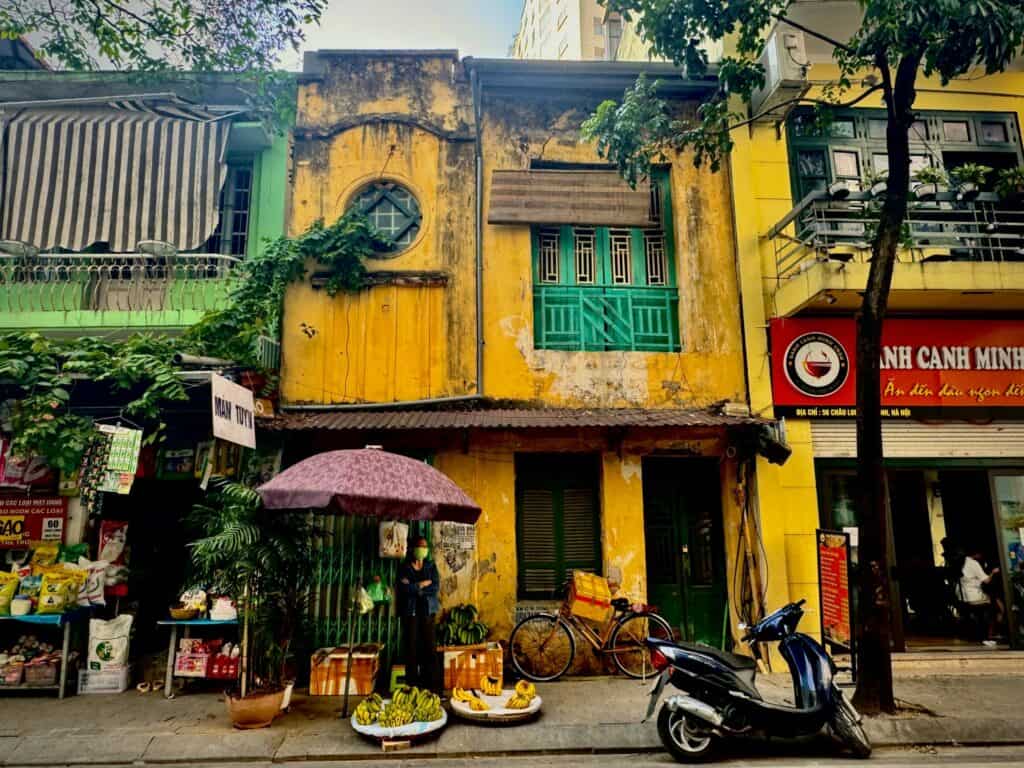
Hanoi isn’t just any city; it’s the cultural and historical hub of Vietnam. For me, Hanoi is an old friend who’s comforting and familiar, but also super weird.
Here, ancient temples cozy up to old colonial buildings, and the streets are filled with life.
In contrast, Ho Chi Minh City is more modern with its high-rise skyline and fast-paced vibe. Similar to other Southeast Asian capitals like Bangkok or Jakarta, which are much more modern.
But Hanoi is just different.
It holds onto its traditions and moves at its own (sometimes extremely slow) pace.
When I first landed in Hanoi in 2015, I was struck by a fierce feeling of happiness. It was clear and strong—I was meant to be here. That feeling was so convincing that I knew I’d come back to stay. And that I did!
Living here, and traveling here, isn’t necessarily easy.
Hanoi is gritty and can get pretty dirty. It’s loud, and sometimes all you can do is laugh at the absurdity of things. But then, there’s this other side to it that’s tough to put into words. Amid the noise and frustration, there’s a peace to be found, a charm that sneaks up on you.
Hanoi is truly special, not just for its street life or the calm you find in its hidden corners, but for its whole vibe—it’s just different here.
I fully admit I am biased toward Hanoi – I have lived here for 7+ years, so I sure do like something about it!
So let’s look at some of the things about Hanoi that I think make it worth visiting for travelers.
The Charm of the Old Quarter
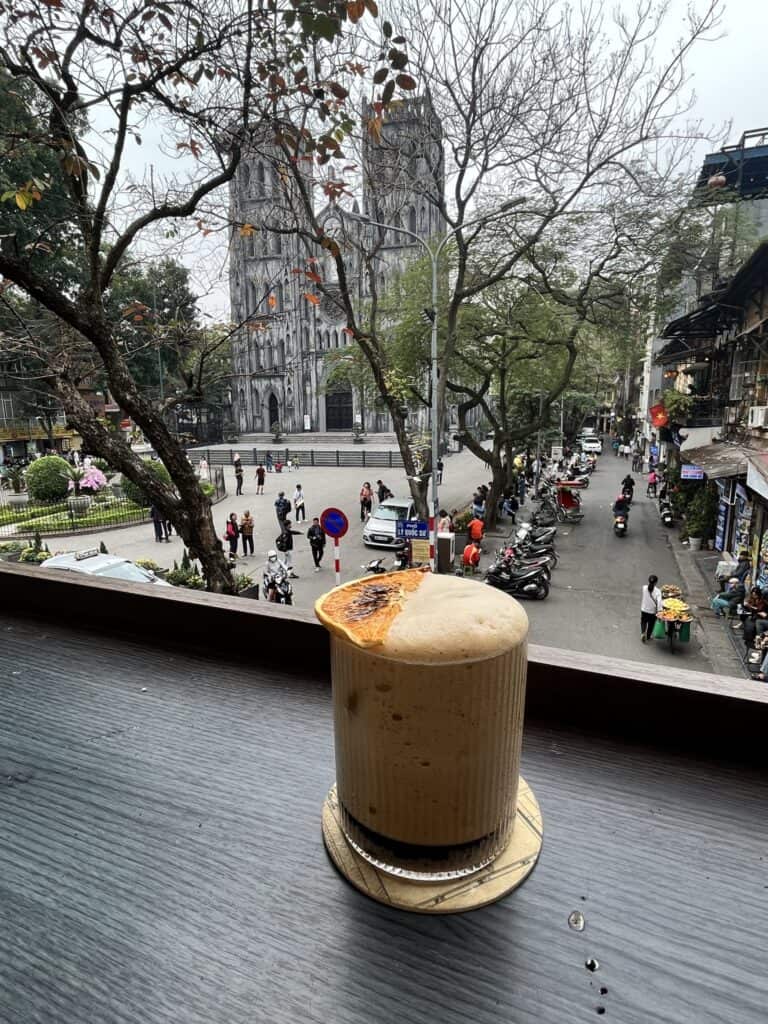
The Old Quarter is the beating heart of Hanoi. This area is a maze (literally, it is a maze) where history, commerce, and local life intertwine beneath knotted electrical wires. It’s the place to be if you want to feel the city’s pulse and dive into its daily rhythm.
The main attractions here pull in both locals and travelers. At first glance whilst exploring the Old Quarter you may see tons of tourists and think “This place is fake and designed specifically for travelers!”.
Not the case!
Yes, Hanoi’s Old Quarter is the main tourist section of the city. But it is also still home to so many long term local residents. They are trying to blend their old way of life into the new norm.
Hoan Kiem Lake is the biggest attraction of the Old Quarter (and also a good way to orient yourself). It is small, easy to walk around in 20-30 minutes. It is home to Ngoc Son Temple which rests on a small island at its center. During the weekends, the whole area around the lake shuts down to cars and motorbikes and turns into a walking street and night market.
OLD QUARTER PROS
OLD QUARTER CONS
The Incredible Food Scene
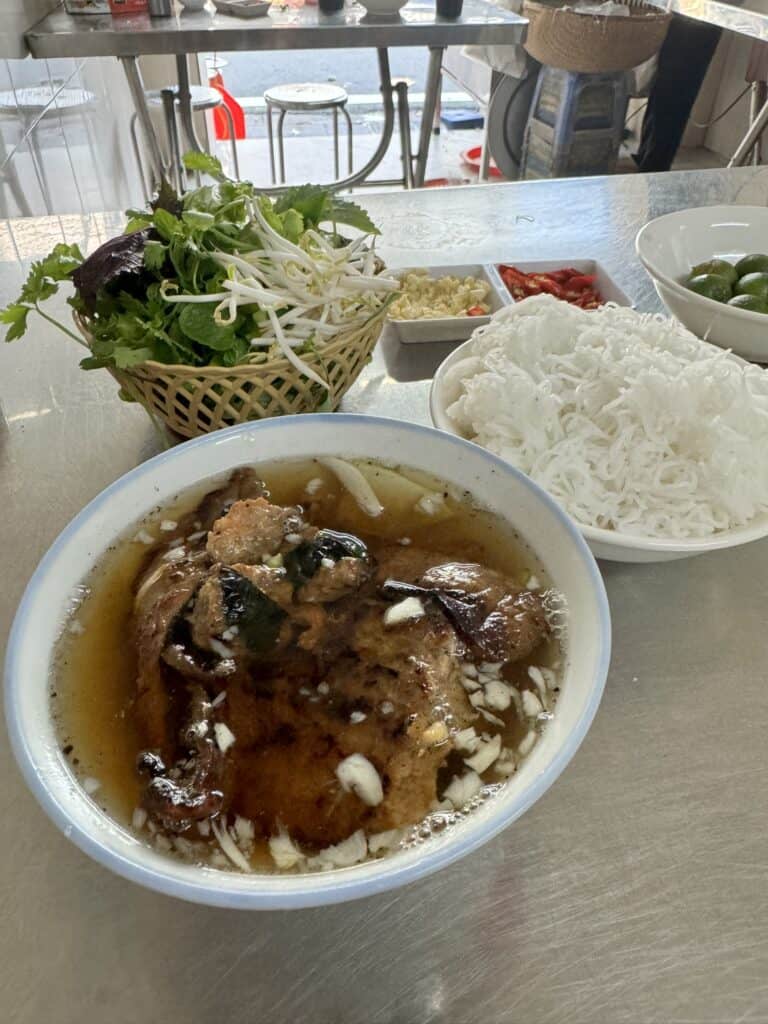
The food scene here is diverse and delicious, ranging from street food stalls to upscale restaurants.
I read it all the time: “Eating in Vietnam is not just about the food, it’s about the experience!” This sounds so cheesy.
But…It is absolutely true.
There is something special about sitting 6 inches off the ground eating a bowl of soup, that has been simmering for 24 hours, with a bunch of random strangers. Even after living here for so long, I make sure to go eat street food at least once a week…just for the experience!
Local markets are really cool to explore early in the morning when everyone is doing their shopping for the day. One of the best things about Hanoi is wandering through its chaotic markets and trying the street food.
If you love coffee, Vietnam is for you! There are so many different ways coffee is prepared here, and chilling out in one of the Old Quarter’s cute cafes is a must. I have a whole article on the coffee shops of Hanoi, check it out here: Hanoi Cafes (coming soon).
Bia hoi joints are the perfect spots to immerse yourself in Hanoi’s social and drinking culture. I remember my first time sitting at a bia hoi spot; hours flew by, glass after glass of this light beer was served, and I was bracing myself for a hefty bill. Imagine my surprise when I found out each cup cost just 10,000 VND—let’s just say the night continued on!
Street food stalls and street vendors are found on every single street in Hanoi. If you travel to Hanoi the best way to experience the food is from a stool on a street.
Eating out in Hanoi will keep your wallet happy too. With just a couple of dollars, you can have a full meal of Vietnamese food that might include anything from bowls of pho to fresh spring rolls, all under $5.
I always recommend visitors to Ha Noi to check out some of the street food tours. There are tons of companies/people providing tours. Here are a few you can check out:
FOOD SCENE PROS
FOOD SCENE CONS
Day Trips and Extended Excursions

Hanoi is also the perfect launching pad for exploring more of Northern Vietnam. Whether you’re looking for a day trip or a longer excursion, Hanoi’s strategic location makes it an ideal base.
Nearby Places for Day Trips:
- Ha Long Bay: Just a few hours from the city, you can find yourself surrounded by the surreal seascape of limestone islands rising from the waters of Halong Bay (an UNESCO World Heritage Site). It’s perfect for a day cruise or even an overnight stay on one of the traditional junks.
- Ninh Binh: Often referred to as “Ha Long Bay on Land,” Ninh Binh offers landscapes of lush greenery and towering cliffs. A boat ride through the Trang An Grottoes is a must.
- Explore Local Villages: For a look at rural Vietnamese life, day trips to small villages around Hanoi allow you to experience authentic local culture, traditional crafts, and untouched nature.
Using Hanoi as a Base: Hanoi’s position in the north makes it a great starting point for longer excursions to places like Sapa or Ha Giang. These destinations offer deeper dives into the natural beauty and traditional lifestyles of north Vietnam.
HANOI DAY TRIPS PROS
HANOI DAY TRIPS CONS
Multiple Seasons
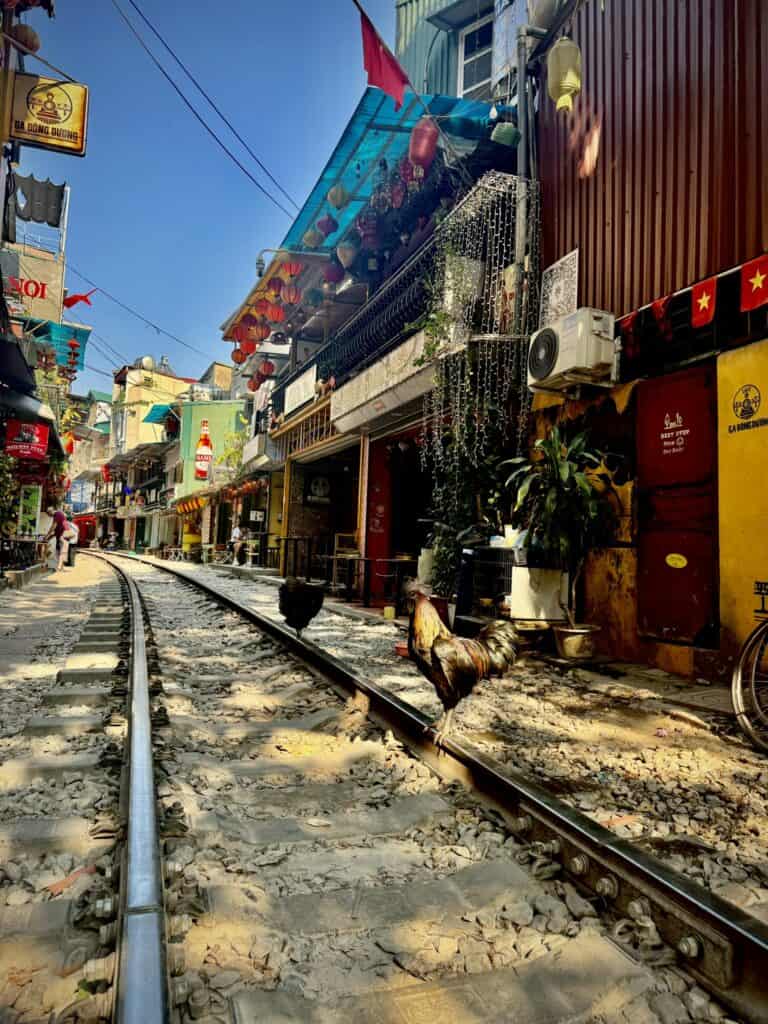
One of my favorite things about Hanoi is that it is NOT hot all year round! Hanoi actually has seasons when compared to the predominantly tropical weather found elsewhere in the country. Here, you not only experience the typical rainy and dry seasons, but also touches of spring, summer, autumn, and even winter.
A Year in Hanoi’s Climate:
- Winter (November to February): Winter in Hanoi can be surprisingly chilly, especially for those expecting the constant warmth usually associated with Southeast Asia. Temperatures can drop enough to warrant a down jacket, particularly when driving around on a motorbike.
- Spring (March to April): This is a transitional period when the chill of winter gradually warms. The city becomes comfortably warm, a nice time for exploring the city without the sweat and hustle of hotter months.
- Summer (May to August): Prepare for heat. Summer in Hanoi can be intense, with temperatures soaring. Life in the city continues, albeit under a blazing sun.
- Rainy Season (July to October): Unlike the short, intense showers in the south, Hanoi’s rainy season has longer periods of rain, cooling down the hot summer air.
Pros of Weather in Hanoi:
HANOI WEATHER PROS
HANOI WEATHER CONS
If you were to ask me when the best time to visit Hanoi is, I would way during the spring (end of March – beginning of May) or fall (October to November).
Weighing the Pros and Cons

As you consider whether Hanoi is worth adding to your travel itinerary, it’s helpful to weigh the aspects of the city against each other. Hanoi is a city of contrasts, where the energy of the city combines with Vietnamese history and culture.
Here’s a quick recap of what makes Hanoi both appealing and challenging:
VISITING HANOI PROS
VISITING HANOI CONS
Ultimately, whether Hanoi is worth visiting depends on what you want from your travels. If you thrive in urban environments, Hanoi’s pros will likely outweigh its cons. However, if you prefer a more laid-back or pristine setting, the cons may be more significant.
Conclusion: Is Hanoi Worth Visiting?
Hanoi is a testament to Vietnam’s past and present. The city’s history combines with an exciting street life, a delicious food scene, and a cost of living that lets you explore without breaking the bank.
Based on everything I’ve mentioned, my recommendation for any traveler—especially those first-time visitors—is a resounding yes: Hanoi is absolutely worth visiting.
Let me Help You Plan Your Trip to Hanoi (and Vietnam!)
If you’re ready to explore the streets and hidden gems of Hanoi let me help you! There are so many resources available for you on this site, no matter your travel style.
For more insights, tips, and detailed guides, you can check out the full compendium of information I have available here:
If you know you are coming to Hanoi and want a bit more guidance, I have a Hanoi Travel Guide for purchase.
I also plan trips, create itineraries, and coach you through your trip to Vietnam. For more information on those package, check it out here: (COMING SOON)
Whatever you choose to do, I hope you have the best time in Hanoi!