Is Vietnam Safe? Everything Tourists Need to Know in 2025
Disclosure: This article contains affiliate links, meaning when you make a purchase, I earn a small commission. Affiliate links cost you nothing to use, and help keep my content free. It’s a win-win! For more information see the Disclosure Policy.
Are you thinking about coming to Vietnam in 2024, but feeling a tad nervous about safety?
It’s completely normal to wonder about the safety of your destination. Especially in a country like Vietnam that has a conflicted past.
Before I moved to Vietnam, plenty of my family members and friends of my parents (boomers and beyond) raised their eyebrows, seriously questioning my choice. But the Vietnamese people have shown me warmth and hospitality that quickly made Vietnam feel like a safe place.
For many travelers (especially if it’s your first time in Asia) the thought of dealing with scams, petty crimes, or even just overcoming the language barrier can seem scary. These are valid concerns—nobody wants to feel vulnerable so far from home.
But here’s the deal from someone who’s explored these streets for years: Vietnam is a place where your safety concerns can be eased with a bit of information.
Since moving to Hanoi in 2017, I’ve traveled extensively throughout the country. I can personally attest to feeling so secure that I sometimes need to remind myself that other places in the world are not nearly as safe!
In this article I will share my thoughts and practical tips to help make sure you enjoy Vietnam with peace of mind.
I truly believe that Vietnam is a safe destination for tourists in 2024.
Is Vietnam Safe Right Now in 2024?

Vietnam consistently ranks as one of the safest countries in Southeast Asia. Crime rates here are notably lower than many Western countries, including the United States. The Global Law and Order Country ranking by Gallup puts Vietnam at a rating of 92/100.
International safety indexes and travel advisories often praise Vietnam for its low incidence of violent crimes. This strong safety record has changed its reputation. I can testify to the fact that the vibe here is welcoming rather than intimidating.
If you’re considering where to start your Southeast Asian adventure, or even your first trip to Asia, Vietnam is a great entry point. Vietnam’s culture, beautiful landscapes, and friendly people make it the perfect gateway (especially in big cities and tourist areas which are designed to be welcoming and safe places for visitors).
Common Concerns about Vietnam Safety
If you only look at one thing on his article – read this section! The three most common safety concerns in Vietnam are:
- Road Safety
- Petty Crime/Theft
- Tourist Scams
Road Safety
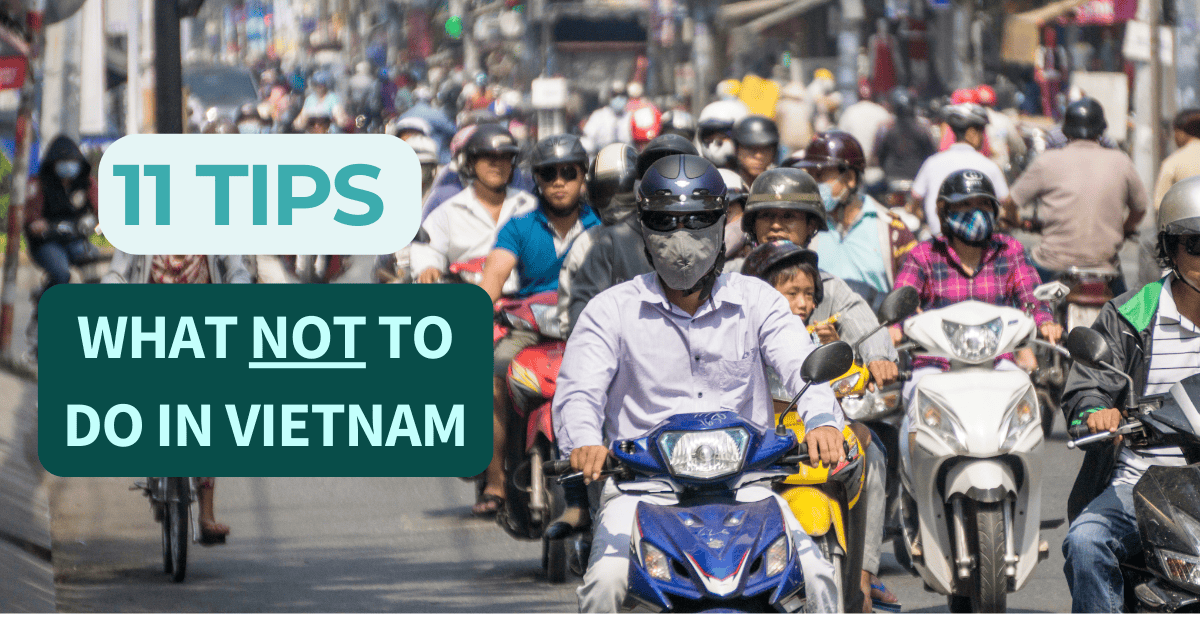
You have likely seen social media videos of pedestrians trying to cross streets in Vietnam. Or swarms of motorbikes speeding down a highway. It looks a bit intense, and it can be!
The roads are challenging for those not used to the aggressive driving habits and the sheer number of motorbikes. Motorbikes are the most common form of transportation here, but they also lead to a lot of accidents, especially with tourists who are not familiar with the local driving conditions.
There are many ways to make sure you’re staying as safe as possible with motorbikes. I have a whole slew of articles about motorbike safety in Vietnam, which you can check out here.
Petty Crime/Theft
Petty crime and petty theft can range from snatch-and-grab incidents to more sophisticated scams targeting travelers. The only petty theft that has happened to me was some VND getting taken from my hotel room, and losing phones in taxis.
Violent crime is much less common here compared to many other countries, but that doesn’t mean you should let your guard down completely. Always be aware of your surroundings, especially in crowded places or when traveling alone at night.
Tourist Scams
Scams, particularly those involving transportation like taxis or motorbike rentals, are common. These aren’t necessarily going to ruin your vacation, but it could put a sour taste in your mouth.
I know plenty of people who have come to Vietnam and been quite pissed at how many times they were ripped off. From personal experience, while these scams are annoying, I’ve never felt unsafe because of them. I have a whole article dedicated to common tourist scams and how to avoid them.
Health and Environmental Concerns in Vietnam
Street Food
Concern: Getting sick from unclean street food
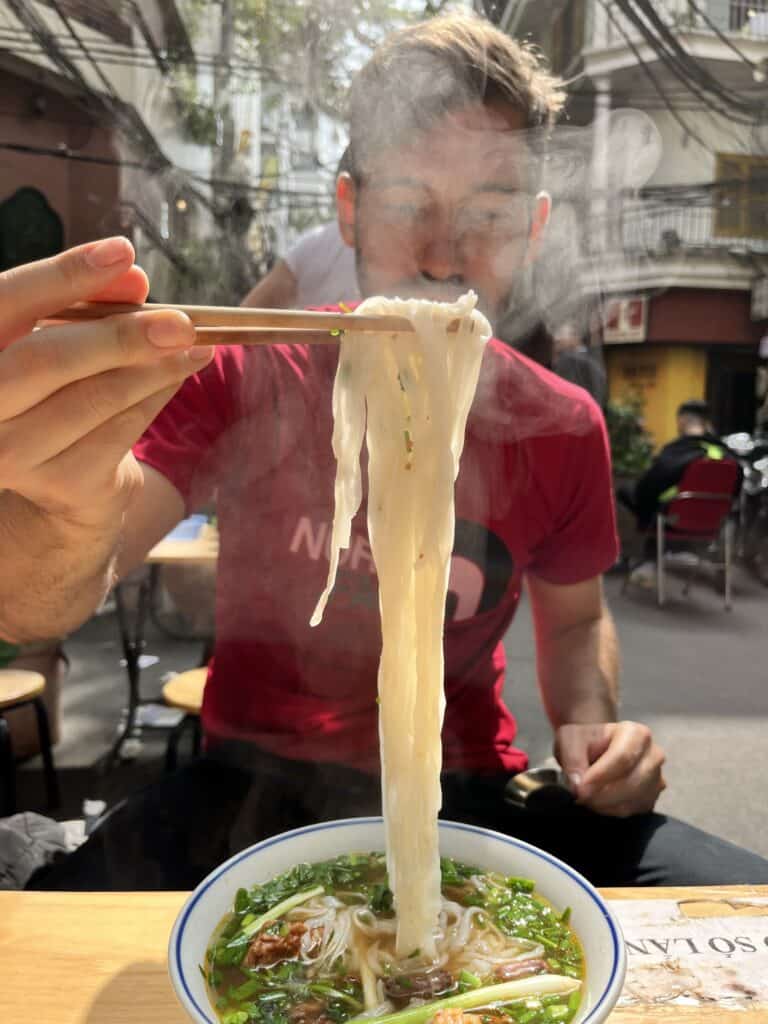
One of the best things about Vietnam is its street food scene. But approach it with a bit of caution. While most street food is delicious and safe, there are a few things you can do to make sure it won’t make you sick.
- Make sure it’s cooked on the spot and served hot.
- Always choose food stalls with a high turnover of locals — it’s usually a good sign of freshness and quality.
- Eat when the locals eat
- Check out the sauces – if the sauces look like they are constantly being used and refilled…go for it! If they look crusty or unused…skip
Tap Water
Concern: Getting sick from unfiltered tap water
Drinking tap water in Vietnam isn’t recommended for travelers. Stick to bottled water to make sure it’s clean and safe. You’re likely not going to get sick from drinking tap water. It is just better to not. The water here is not filtered the same way you are likely used to.
You can still brush your teeth with it. You can shower and get some in your mouth. You can gargle with tap water. You can also boil tap water and drink it that way.
It really is just a precaution for what your own body is used to. No one wants to be sick on vacation, so just be careful!
Dengue Fever
Concern: Getting Dengue Fever
Dengue fever is a mosquito borne illness. You get a bad fever and feel flu-ish with a mild case. Severe cases can get you quite sick. Plain and simple you don’t want dengue. You can get it in many tropical regions, like Vietnam.
Certain times of the year are more prone to mosquitos and dengue. Specifically during and right after the rainy season. Check my monthly guides to learn about the weather when you are traveling.
I have never had dengue in 7 years of living here (at least not that I know of). But it is important to stay cautious, especially if you’re a mosquito magnet! Using mosquito repellent and staying in hotels with good preventive measures like screened windows or air conditioning can greatly reduce your risk.
Air Quality Concerns in Vietnam
Concern: Breathing Bad Air
Air quality in Vietnam, especially in major cities like Hanoi and Ho Chi Minh City, can be a concern due to pollution and seasonal agricultural burning. It is probably something you might not have even thought of before coming. I always add “check the air quality” to me pre-travel departure, and it’s one of my top traveling to Vietnam tips!
On days when the air quality index (AQI) is particularly high, it’s smart to limit outdoor activities or wear a mask. I’ve found checking the daily AQI through local apps or websites helps plan the day better.
Here is the thing, you’re likely not going to suffer lifelong effects after a week or two in Vietnam when the air is bad. BUT if you have health issues like asthma, it can definitely affect your time here!
You also might find, during particularly bad air days, that it’s simply harder to take a good breath of air. You’re skin and eyes might feel itchy. It’s uncomfortable!
Heat and Dehydration Risks
Concern: Vietnam is Hot!
Vietnam’s tropical climate means it can get extremely hot, particularly during the summer months. It is very important to stay hydrated and protect yourself from the sun to avoid heat exhaustion or heat stroke. You will notice during the hottest parts of the day that the streets empty out a bit, and shops sort of close up. You’ll see a lot of men napping on motorbikes, or just people in general getting out of the heat. Follow suit!
Of course, you can (and should) also always carry a water bottle, wear light, breathable clothing, and use sunscreen. Stop for a fresh coconut water during the peak heat of the day. A great way to stay hydrated!
Risks of Infections
Concern: Tropical Climates Breed Infections
You should be aware of the risk of infections in a tropical climate like Vietnam. Even a small cut, when left untreated, can get out of control quickly. This happened to me a few years ago. I had a teeny tiny cut on my leg. Some bacteria got inside it and multiplied so fast! I found myself in the ER on an IV fighting off cellulitis.
Needless to say, getting vaccinated before your trip and practicing good hygiene can help prevent these infections. I always make sure to have a small hand sanitizer, wet wipes, and band aids with me!
Stray Animals
Concern: Street dogs and cats
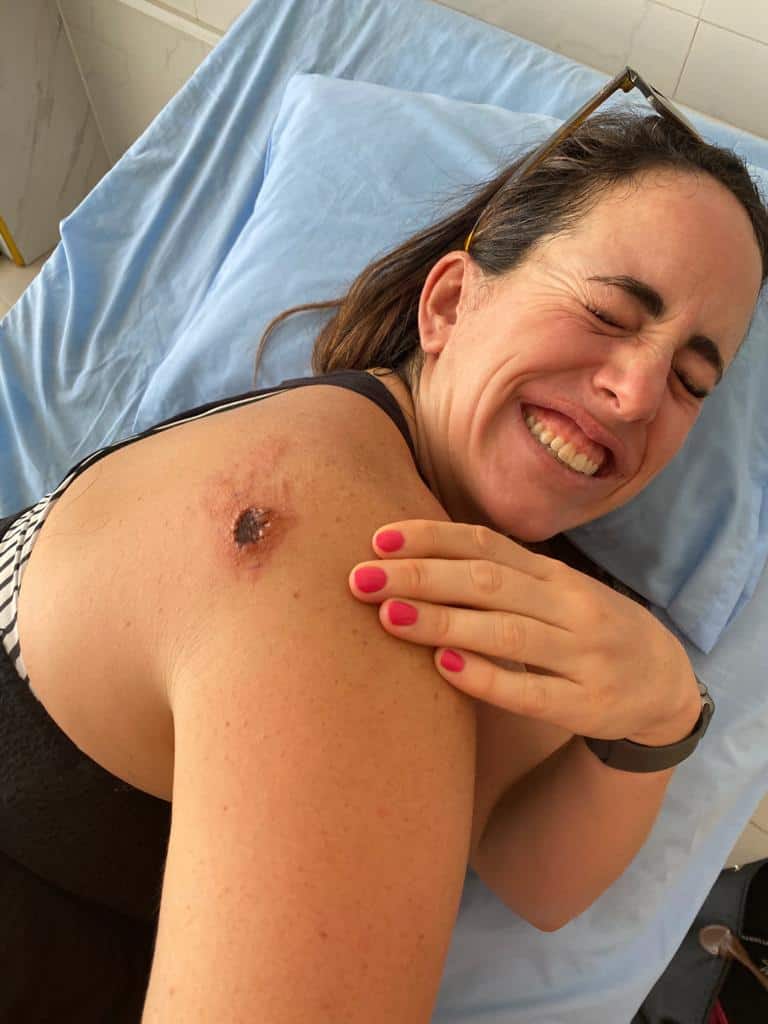
Stray animals, particularly dogs and cats, are common in many parts of Vietnam and can pose a risk of rabies and other infections. If you know me at all, you know that I pet literally every animal I see. This backfired on me once when a cat bit me and broke the skin. I went back and forth to the doctor five separate times to get rabies shots because of it. Luckily, my insurance covered it!
So..it’s best to resist the urge to pet them, no matter how friendly they appear. I would also make sure you have the rabies vaccine. This will buy you a couple of days if you do get bit by something.
Navigating Public and Private Transportation

Ride-Hailing Apps
Using ride-hailing apps is by far one of the best ways for a safe and efficient travel experience in Vietnam. Grab is the most popular and widely available app. It has both car and motorbike taxi options. There are also other services like Gojek and Be, which provide similar services.
These apps are beneficial because they offer clear fare estimates, route tracking, and the safety of a recorded journey. You also won’t have to deal with exchanging money.
Taxis
When it comes to taxis, options vary. It’s a good practice to use only reputable taxi companies- Mai Linh and Taxi Group are two you will find all over Vietnam.
Always make sure that the meter is turned on at the start of your trip to avoid being overcharged. If a taxi driver claims that the meter is broken or refuses to use it, it’s better to find another taxi or use a ride-hailing app instead. If you’re firm about these basics you can prevent most issues with taxis.
I have felt unsafe in a taxi one time, you can read the story here.
Buses and Trains
For those looking to travel longer distances (or on a budget), buses and trains are options. Longer haul bus and train rides are mostly safe.
My number one concern with buses is the speed and erratic driving of some of the buses. Especially going around mountain passes. Makes me nervous! Keep that in mind if you are booking long haul or overnight sleeper buses.
It’s important to keep an eye on your belongings, especially in crowded conditions. Public transportation in Vietnam is generally reliable, but it’s smart to pay attention to your personal space and belongings.
Road Conditions and Safety Tips for Drivers
Driving the roads in Vietnam can be quite an experience. Vietnamese drivers are known for being assertive. And by assertive, I mean they will do whatever they want to get to wherever they want. It’s mostly somewhat organized chaos.
Road conditions vary significantly between urban and rural areas, with city roads generally being well-paved but congested, and country roads less maintained and more unpredictable.
When it comes to road safety, especially if you’re on the back of a motorbike, wearing a helmet is a must. It’s also smart to choose drivers who come recommended or are part of a reputable ride-hailing service.
From my own rides, I’ve learned that staying alert and holding on help me stay calm. If you are ever on the back of a motorbike and feel unsafe. Do not feel bad about telling them to slow down or letting you get off. I also have to tell drivers to not text or talk on the phone when they are driving – do not be shy about this!
For a full look into what it is like driving a motorbike in Vietnam – read this.
Local Laws and Cultural Nuances

Understanding and Respecting Local Laws and Customs
Traveling in Vietnam means navigating not just physical landscapes but also the landscape of local laws and cultural differences. It’s important to be aware of and respect local customs, which can be significantly different from Western practices.
As a communist country, Vietnam has strict laws regarding speech, particularly concerning the government, national heroes, and political activities. Speaking negatively about these subjects can lead to serious trouble with local authorities. Always remember that freedom of speech isn’t as broad as it might be in Western countries, and public criticism of the Vietnamese government can have real consequences.
Interaction Tips with Locals
Talking to local people is one of the fun things about traveling! However, being aware of language barriers and the appropriate ways to communicate can make your experience better.
It’s helpful to learn a few basic Vietnamese phrases to show respect and improve interactions. In my travels (all over, not just Vietnam!), being friendly and aware of local norms when asking for directions or assistance has made my interactions positive and safe.
For some basic Traveler’s Vietnamese, or phrases that I think will serve you well in Vietnam, read this article.
Safety in Accommodations

Finding the right place to stay in Vietnam is important for comfort but for safety too. When I choose accommodations, whether it’s a hotel or an Airbnb, I prioritize places with good security.
This means hotels with 24/7 front desk service and secure entry, and Airbnbs hosted by superhosts with solid safety reviews.
I’ve learned that a little extra research into the security measures and location safety can set the tone for a stress-free stay.
Travel Insurance in Vietnam
Always sort travel insurance before you come to Vietnam. It is a minor expense that packs a major punch.
Having travel insurance is like having a safety net. I’ve learned that whether it’s a lost passport, a medical emergency, or unexpected trip cancellations, travel insurance can save you from a lot of headaches and financial strain.
It’s especially important here, where you might find yourself on a motorbike or doing some fun activity that you may get injured at. Making sure you’re covered means you can do it all!
I recommend Safety Wing for travel insurance.
For a more detailed dive, read my article on Travel Insurance in Vietnam.
Travel Safety Tips
Some of these tips are just straight up common sense. Most of them can actually be used anywhere in the world you travel.
- Pay Attention to Change Given to You: Always double-check the change you receive from vendors to ensure it’s correct.
- Check Your Bill: Review your bill carefully in restaurants and cafes to avoid being overcharged.
- Learn How to Cross the Road: Take the time to observe how locals navigate traffic; in Vietnam, steady and predictable movements are key to crossing busy streets.
- Watch Your Bags: Keep your bags close and secure, especially in crowded places like markets and bus stations.
- Keep Your Phone Close: Always keep your phone in a secure pocket or bag.
- Wear a Helmet: When riding a motorbike, always wear a helmet to protect yourself. Don’t be dumb.
- Pay Attention to Where You Are Walking: Stay aware of your surroundings to avoid tripping over uneven pavements or stepping into puddles.
- When Walking/Hiking in Rural Areas, Carry a Stick (for Stray Dogs): Carrying a stick can help keep stray dogs at bay and give you a sense of security.
- Don’t Let the Heat Get You! Stay Hydrated: Remember to drink plenty of fluids and take breaks in the shade to prevent heat exhaustion.
- Don’t Do Drugs: Avoid illegal substances as drug offenses carry severe penalties in Vietnam, including heavy fines and imprisonment.
FAQ: Is Vietnam Safe?

Is it safe to drive in Vietnam?
Driving in Vietnam can be challenging, especially for those not used to the local traffic conditions. The roads are often busy, with a unique flow that includes an overwhelming number of motorbikes and scooters. If you’re not experienced with driving in such environments, it’s generally safer to use public transportation or ride-hailing services.
Are taxis safe in Vietnam?
Taxis in Vietnam are generally safe, but it’s important to use reputable companies to avoid scams. Using ride-hailing apps like Grab, which offers both taxi and motorbike services, can also help make sure that your ride is metered and monitored for added safety.
Is there Uber in Vietnam?
Uber is no longer operating in Vietnam. However, Grab and other local apps like Be and Gojek have filled the gap.
Is Vietnam Safe for female tourists?
Vietnam is considered safe for female tourists, with many solo travelers enjoying their visits without incident. Common sense travel safety advice applies, such as guarding personal belongings and avoiding isolated areas at night. Additionally, joining group tours and staying in legit accommodations can make you feel more safe.
Is Vietnam safe for LGBTQ+ Travelers?
Vietnam is relatively progressive in terms of LGBTQ+ rights in Southeast Asia, with a growing acceptance among the younger population and in major cities. Public displays of affection, however, are generally rare for all couples. LGBTQ+ travelers should feel comfortable exploring Vietnam, though it’s wise to be aware of the local customs and attitudes, particularly in rural areas.
So, is Vietnam Safe?
As I’ve covered in this guide, Vietnam is generally a safe destination for travelers. It’s clear that while there are certain precautions to take—like watching out for pickpockets, using reputable transportation options, and navigating the roads with care—the overall travel experience in Vietnam is overwhelmingly positive for most visitors.
From the practical tips on staying hydrated to understanding local laws and customs, all these pointers are designed to make sure you can focus on enjoying what Vietnam has to offer without unnecessary worries.
If you’re planning your trip and need more detailed information, our travel guides and personalized itinerary planning services are here to help.